“Bear one another’s burdens, and so fulfill the law of Christ.” (Galatians 6:2, WEB)
While the dramatic rush of water makes the news, the full cost of a flood often appears days or weeks later in clinic and hospital waiting rooms. Living amid drying, contaminated mud creates serious public-health risks:
- The Threat of Leptospirosis: Leptospira bacteria can survive in wet soil and stagnant water. When floodwater is contaminated by the urine of infected animals, people may contract leptospirosis through cuts or abrasions in the skin or through the eyes, nose, or mouth. Without prompt diagnosis and treatment, the infection can cause kidney or liver damage, respiratory complications, and death.
- Respiratory and Mold Hazards: Persistent tropical humidity can prevent buildings from drying fully. Damp walls, ceilings, furnishings, and bedding can promote mold growth and worsen asthma, allergies, and other respiratory conditions, especially among children, older adults, and people with existing lung disease.
- Skin and Gastrointestinal Infections: Contaminated mud and water can infect open wounds and contribute to cellulitis, rashes, and diarrheal illness. The risk increases when drinking-water systems, wells, or household water containers become contaminated.
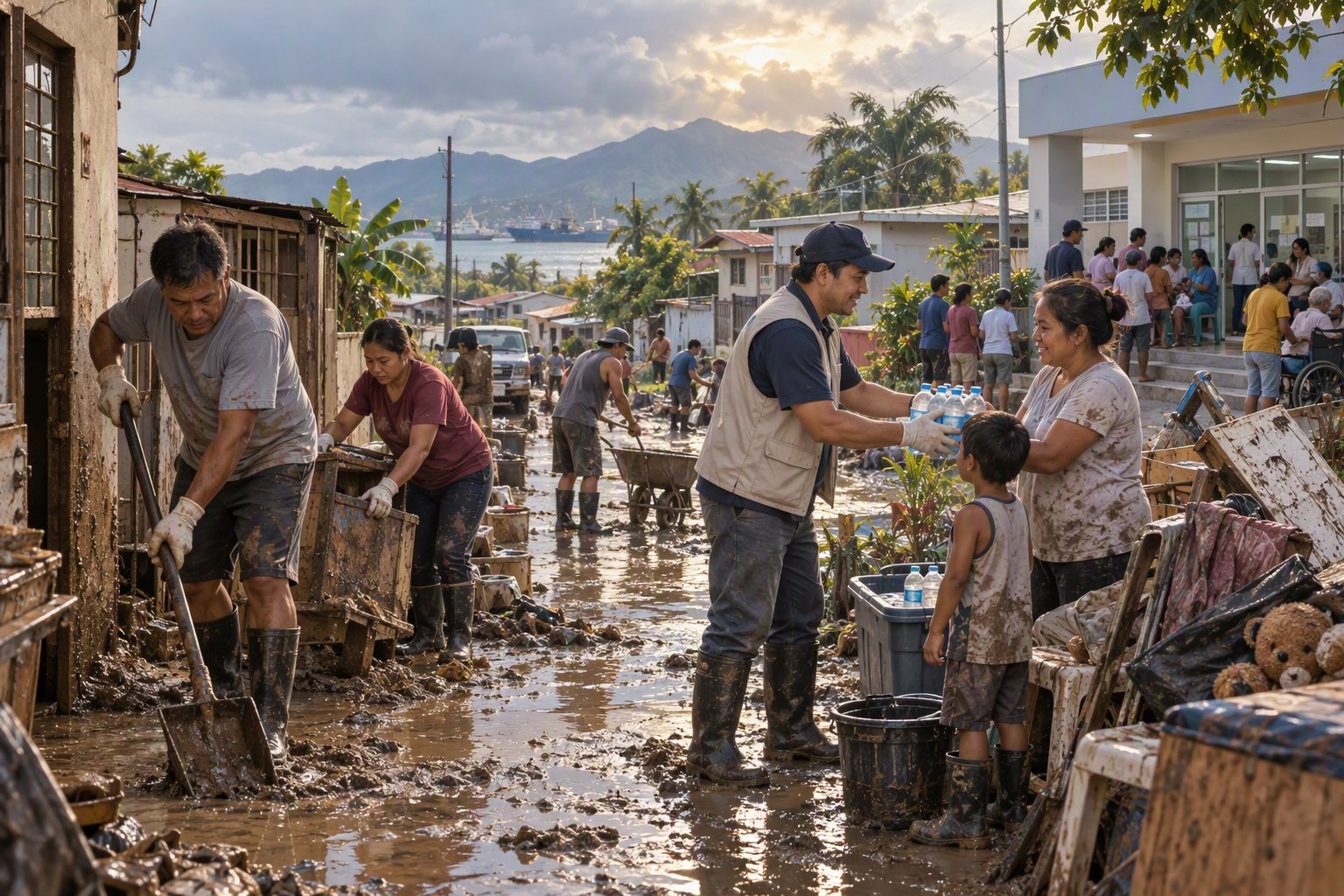
Cleaning up this toxic environment requires intense, physical labor. Families must scrape, shovel, and scrub the heavy sludge by hand, frequently without rubber boots or protective gloves. A single microscopic scrape while shoveling mud can lead to a hospital admission that a daily wage earner cannot afford.
What We Know Now
How many people are sick? As of October 10, 2026, no reliable public source gives a combined total for flood-related illnesses in Olongapo City and the Subic Bay area. Reports confirm an increase in suspected and confirmed leptospirosis patients, but they do not provide a local case total. Nationwide, 11,965 leptospirosis cases had been recorded through September 9—46 percent more than during the same period in 2025. That national figure should not be mistaken for a local count.
How many are in the hospital? No exact local inpatient count has been published. On August 28, however, James L. Gordon Memorial Hospital reported that all of its inpatient beds were occupied during a surge that included suspected and confirmed leptospirosis cases. Its emergency room remained open for assessment, but some patients who needed admission faced delays or referral to another facility.
Can local hospitals handle the demand? The available information shows that Olongapo’s main city-run referral hospital was under severe pressure and could not immediately admit every patient who needed a bed. James L. Gordon Memorial Hospital is listed as a 270-bed Level 3 facility, but beds are only part of the picture. Staffing, laboratory and dialysis services, medicines, and space at other referral hospitals also affect the health system’s ability to respond.
Sources: Department of Health figures reported by the Daily Tribune; the August 28 hospital advisory reported by the Philippine Daily Inquirer; and the published facility profile for James L. Gordon Memorial Hospital. Information checked October 10, 2026.