“He made from one blood every nation of men to dwell on all the surface of the earth, having determined appointed seasons, and the boundaries of their dwellings.” — Acts 17:26 (WEB)
The First People of Our Mountains
Long before Olongapo was a city or Subic Bay a port, the Aeta lived in the Zambales mountains. They are widely regarded as descendants of the earliest inhabitants of the Philippine islands, a presence that reaches back many thousands of years. Their name, often spelled Ayta, is commonly said to mean simply “people.”
The Aeta of Zambales are not one uniform group. Several Ayta languages are spoken here, all part of the Sambalic family of Central Luzon. Ayta Abellen is spoken around Botolan. Ayta Mag-antsi is found in Botolan, San Marcelino, and Castillejos. Ayta Ambala communities live in the hills around Subic, close to where Nancy and I have served since 2000. We learned about the Aeta as soon as we arrived in Olongapo. They travel to urban areas to sell fruit, vegetables, honey, hand-woven baskets, blowguns, slingshots, bows and arrows, bird whistles, and live exotic birds. We encountered small groups in the public market and on street corners. We began a relationship with the Aeta through Pastor Wilson Ladringan and his wife, Cora. Their ministry evangelizes, trains, teaches, and supports Aeta people in many areas of Zambales.
Traditionally, the Aeta were semi-nomadic hunters, gatherers, and upland farmers. They knew the forest as a pharmacy, a pantry, and a map. Many still carry that knowledge, even as their lives have changed dramatically over the past generation.
Their Place in Philippine Society
The single event that reshaped modern Aeta life was the eruption of Mount Pinatubo in June 1991. The mountain sat at the center of their ancestral homeland. By August of that year, authorities had counted more than 35,000 Aeta evacuees from about 7,800 families across Zambales, Pampanga, and Tarlac (Inquirer).
The government built ten upland resettlement communities by 1992, five of them in Zambales. As of 2020, those sites housed about 6,500 families. Many Aeta now live a divided life, farming their ancestral land in the mountains while staying in the resettlements for school and health care (Inquirer).
The law recognizes their claim to the land. The Indigenous Peoples’ Rights Act of 1997 allows communities to secure a Certificate of Ancestral Domain Title. In 2009, the Aeta of Botolan received a title covering roughly 16,000 hectares around Pinatubo, including the volcano’s crater (Inquirer).
On paper, that is real progress. In daily life, many Aeta still face open prejudice. Researchers studying Aeta students at a state university in Central Luzon documented racism in school as a significant problem and a leading reason Aeta young people drop out (NTQR, 2023). Low literacy and limited schooling push many adults into irregular day labor, where they are easy to underpay and easy to ignore (Asia Pacific Report, 2026).
Making a Living Today
Most Aeta families in Zambales still depend on small-scale farming and what the forest provides. Bananas, root crops, vegetables, and a little upland rice are common. Some families supplement that with seasonal day labor in the lowlands, guiding tourists, or selling crafts and forest products. Incomes are small and uncertain, and a bad harvest or a medical emergency can undo months of effort.
The resettlement sites solved one problem and created another. One Aeta elder in Botolan described the forest as their source of food and medicine, and the rivers as their market (Inquirer). Moving to bare lowland lots near town brought schools and clinics closer, but took families away from the land that fed them.
The pressure on that land keeps growing. Tourism, energy projects, and development are steadily reshaping Aeta territory. In San Marcelino, a large solar project inside an ancestral domain went through the legally required consent process, yet families there still worry about long-term access to their land and its resources (Inquirer).
The most painful recent example is close to home. In 2019, the municipal government of Subic opened what was meant to be a temporary dumpsite in Sitio Tibag, Barangay Naugsol, inside the titled ancestral domain of the Ayta Ambala. The Naugsol Aeta Farmers Association says the dumping contaminated the community’s main water source and spoiled land relied on by about 100 farming families (Philstar).
The environment department ordered the site closed and issued a cease-and-desist order in March 2026. After a GMA I-Witness documentary brought national attention in July 2026, the National Commission on Indigenous Peoples called for the site’s rehabilitation, and Congress filed a resolution calling for an investigation (SunStar; Philstar). The local government has said it accepts accountability, while also saying the community had agreed to the arrangement. Tribal council members told the NCIP their agreement was only meant to be temporary, during the COVID-19 pandemic (GMA; SunStar).
“Open your mouth for the mute, in the cause of all who are left desolate. Open your mouth, judge righteously, and serve justice to the poor and needy.” — Proverbs 31:8-9 (WEB)
A New Generation of Leaders
The most hopeful part of this story is that the Aeta are increasingly speaking for themselves. A generation that grew up in the resettlements, with schools nearby, is now finishing college and coming home with tools their grandparents never had.
In 2017, Norman King became the first known Aeta graduate of the University of the Philippines, earning a degree in behavioral sciences from UP Manila. He wore a traditional Aeta loincloth to his graduation. He said he wanted to show that Aeta are capable of being educated, and he vowed to serve the Pinatubo communities. His aunt, Wyda Cosme of Zambales, was described as the first Aeta law graduate (UP / Inquirer).
Others are leading from inside their communities. Aeta guides in Botolan have built a trekking business to the Pinatubo crater. One leader, Paylot Cabalic, said that income paid for his children’s schooling, and both are now public school teachers. When the Aeta felt they were not being fairly compensated or recognized as owners of the domain, they barricaded the crater trail until their concerns were heard (Inquirer).
Aeta leaders have also taken local officials to court to defend their right to manage their own ancestral domain (Inquirer). Under the law, indigenous communities now choose their own mandatory representatives to sit on town and provincial councils, and Aeta men and women hold those seats in Zambales (DILG Region III). In Subic, it was the community itself, through its farmers’ association and elders, that kept pressing about the dumpsite until the rest of the country listened.
None of this has come easily, and none of it is finished. But the pattern is clear. Educated Aeta are not leaving their people behind. They are coming back as teachers, organizers and advocates, and they are learning to use the law and the courts to protect what is theirs.
Walking Alongside Pastor Wilson’s Team
Our part in this story is small. Off and on for years, we have worked alongside Pastor Wilson and his ministry team, whose main outreach is to Aeta families. They show up week after week. We come alongside where we can.
In earlier years, that meant teaching. Nancy taught classes at Pastor Wilson’s main compound and out near Pinatubo. We spent time with Aeta children, hosting village feedings and joining the church youth group for VBS in mountain villages. Tom taught special seminar classes to Aeta trainees preparing to be pastors in their own communities, encouraging men and women carrying the weight of leading churches in their villages.
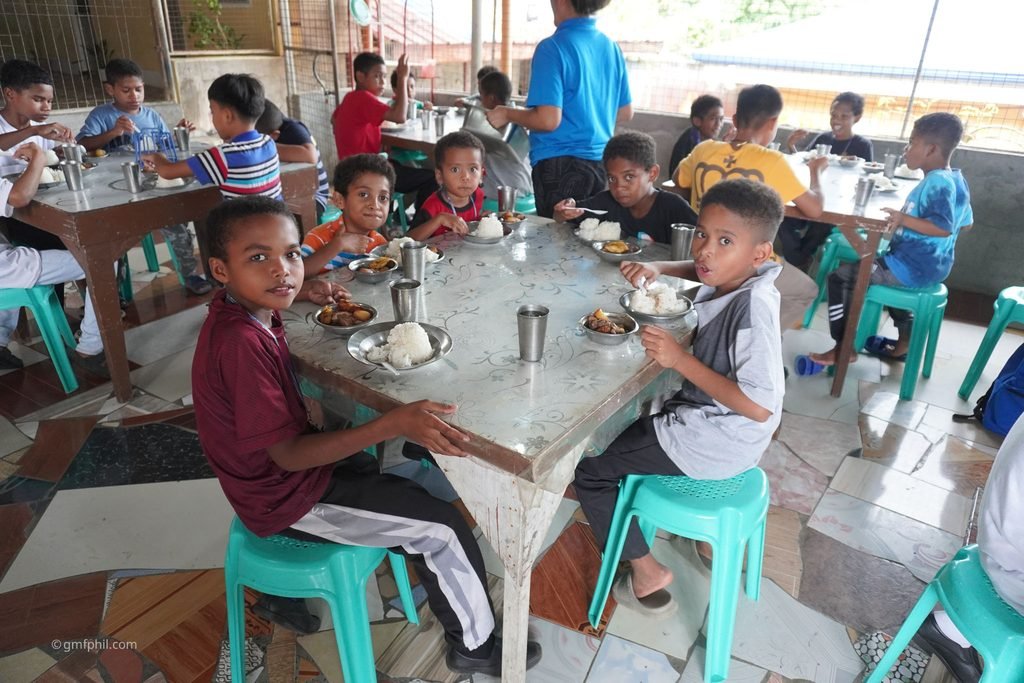
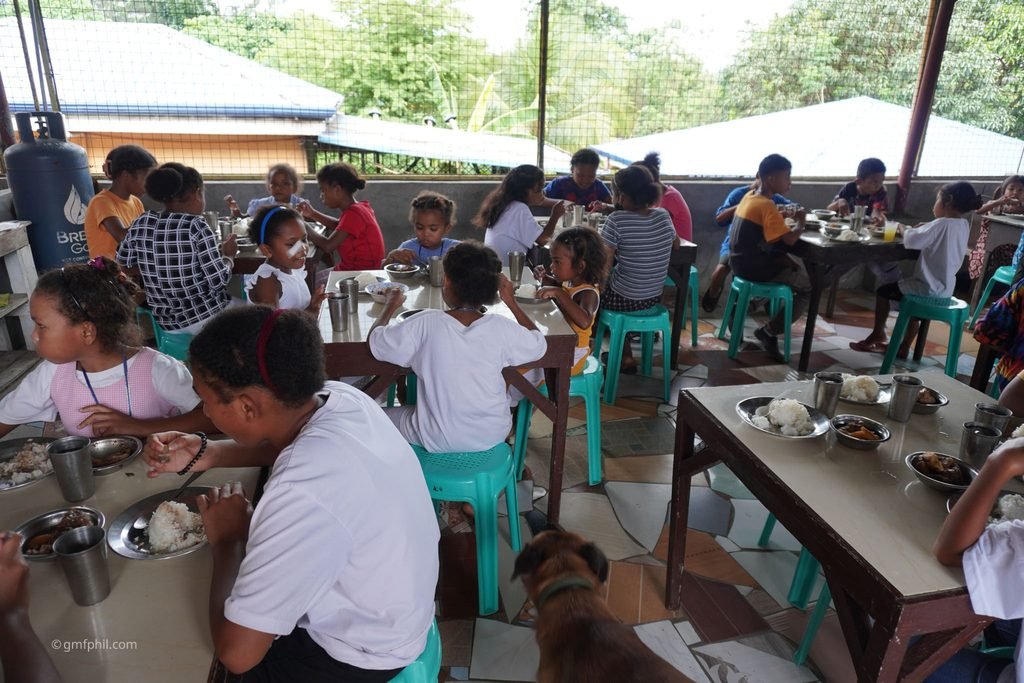
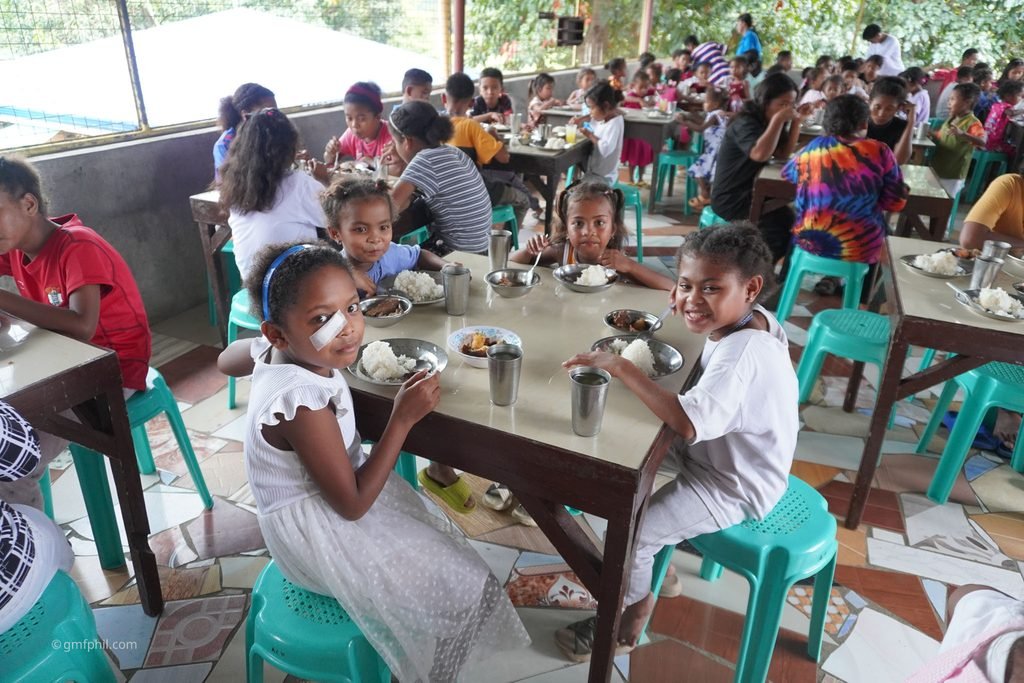
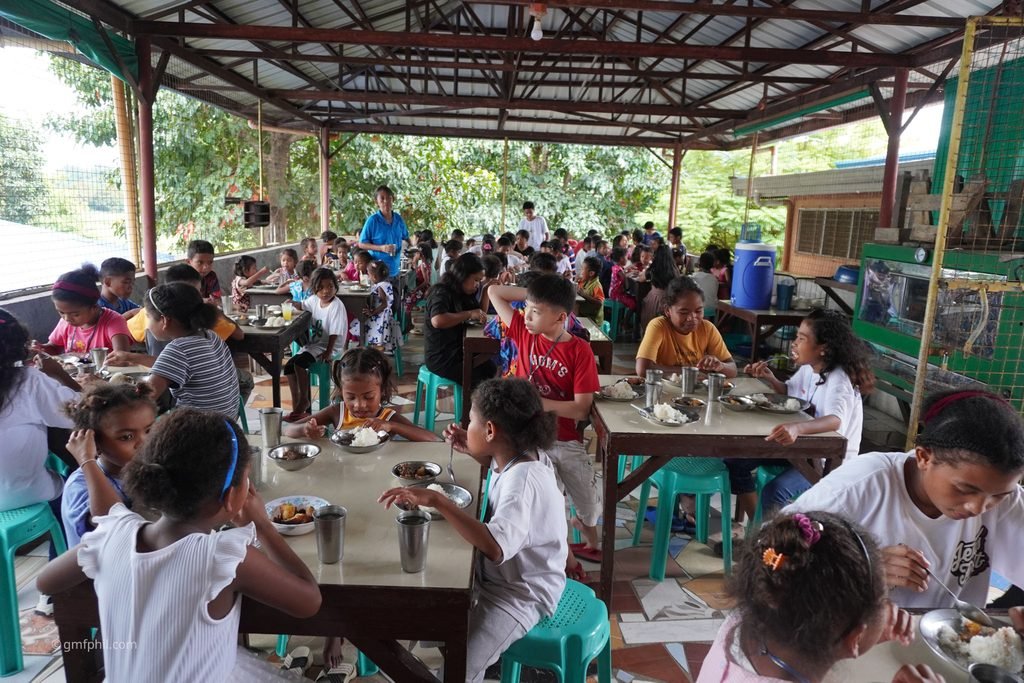
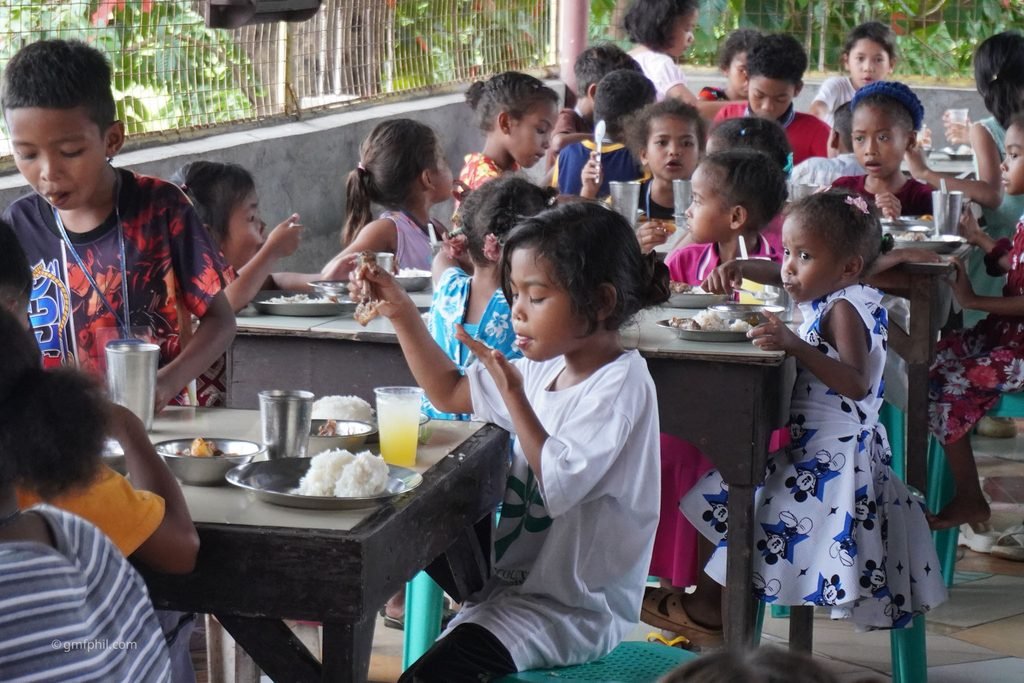
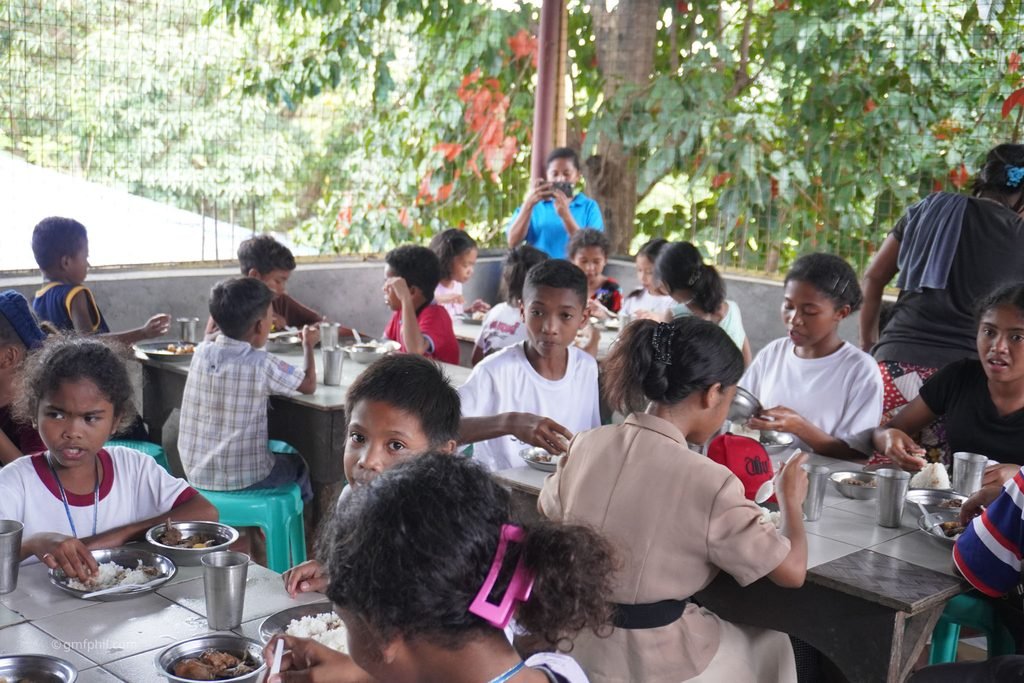
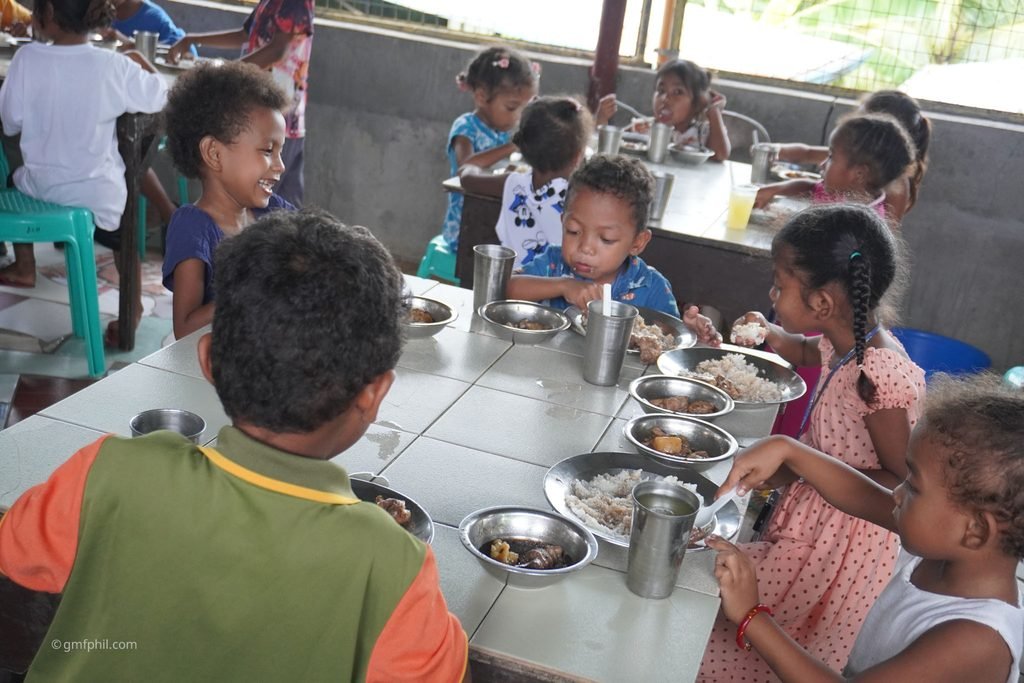
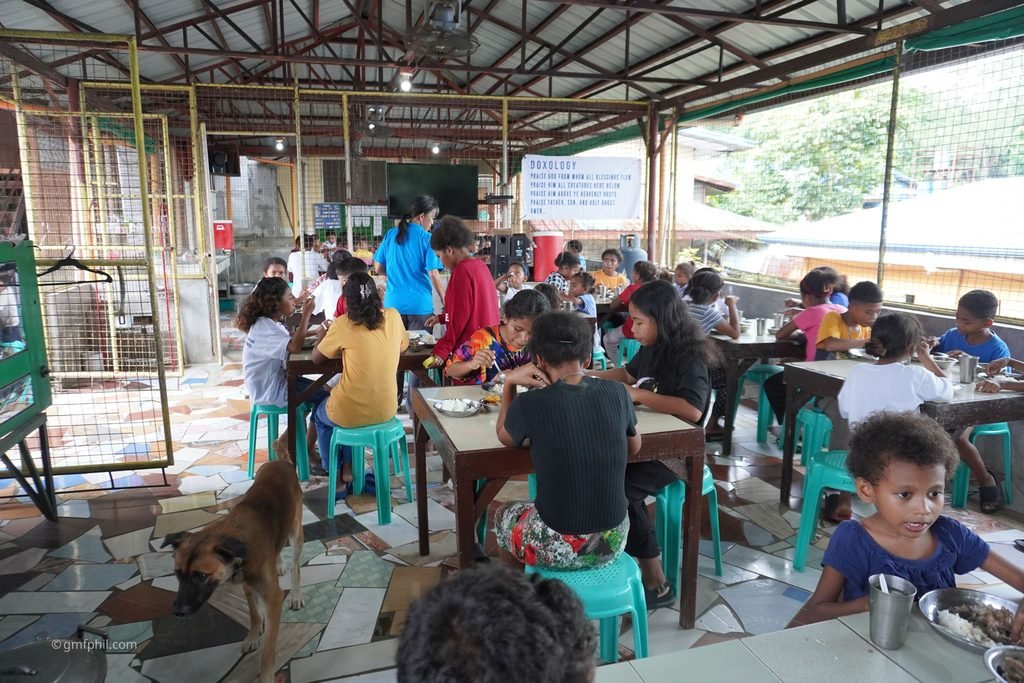
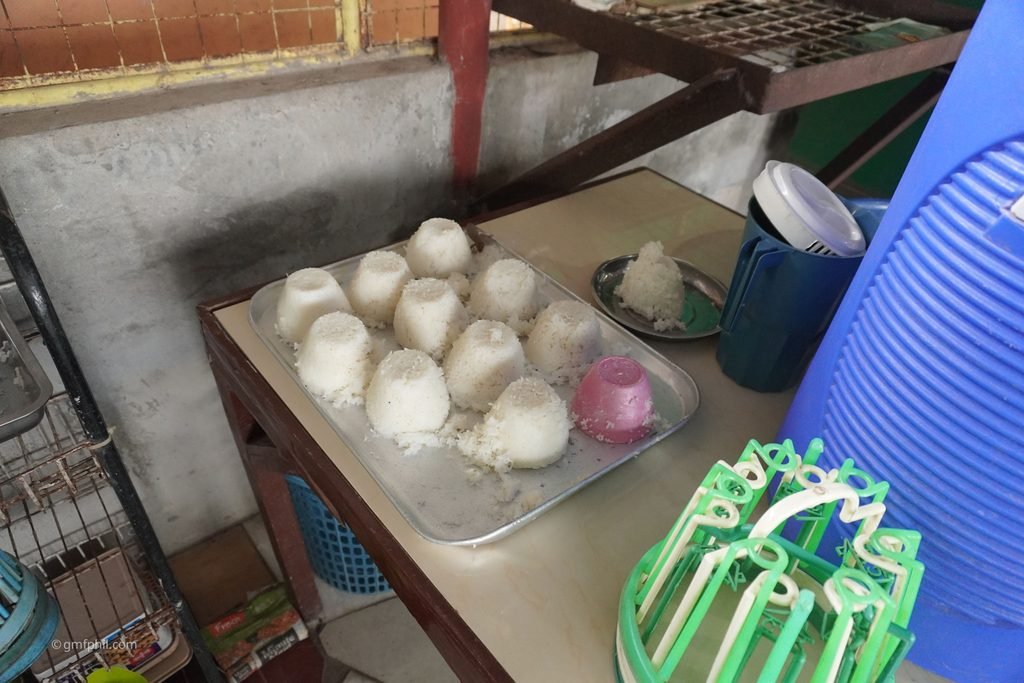
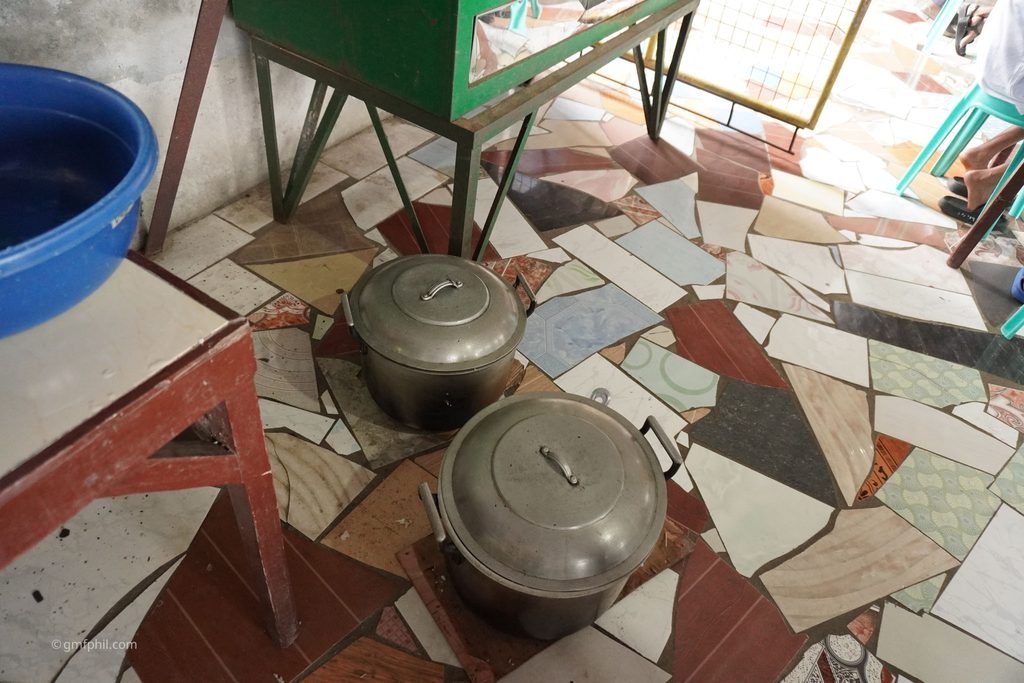
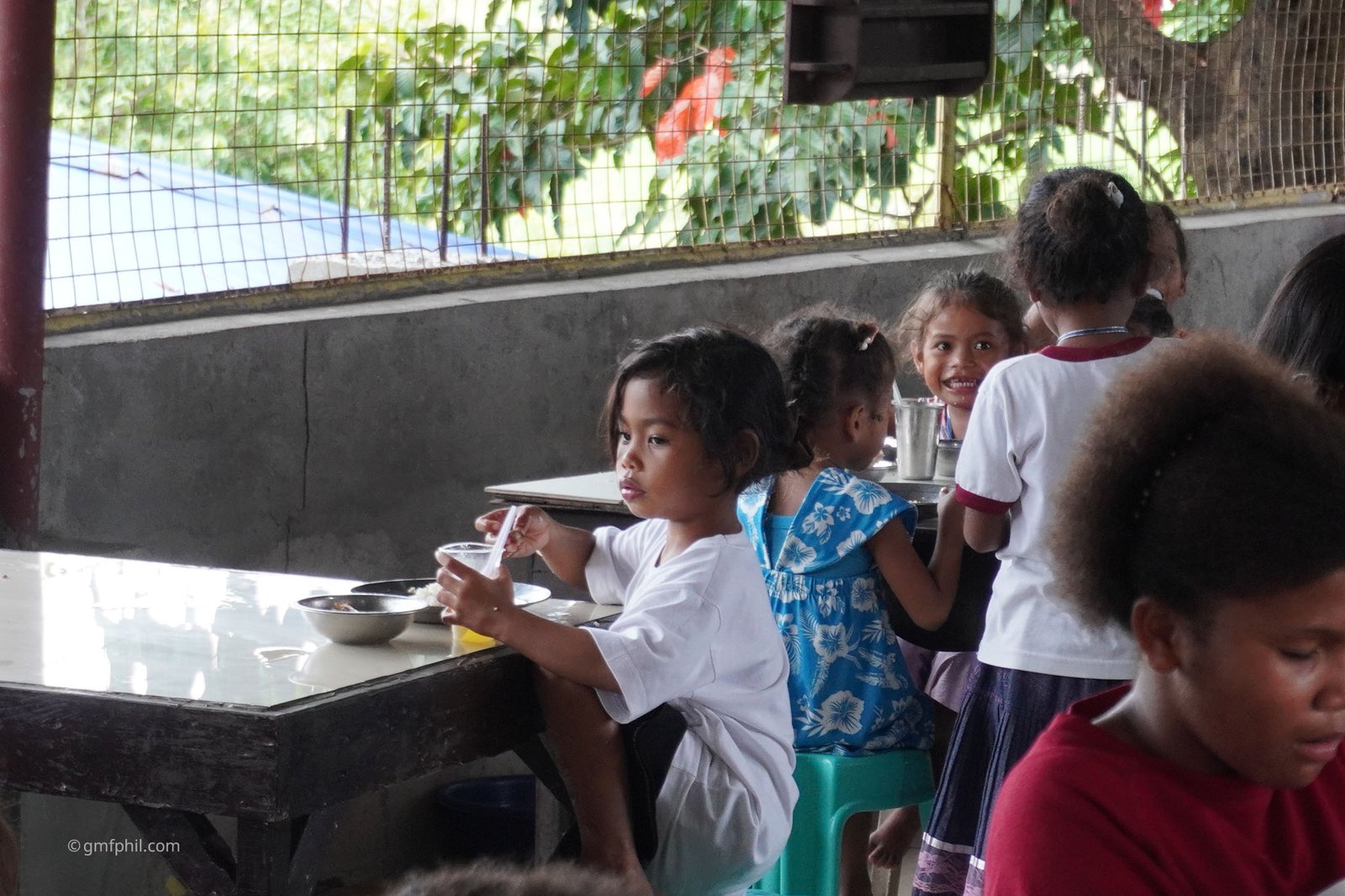
In recent years, our help has mostly taken the form of Feeding Outreaches. With funds from friends and supporters, Pastor Wilson’s team prepares meals for Aeta children and their families. A full plate does not fix land disputes or school discrimination. But a child who has eaten can sit in a classroom and learn, and a parent shown kindness knows they have not been forgotten.
Faces, Not Statistics
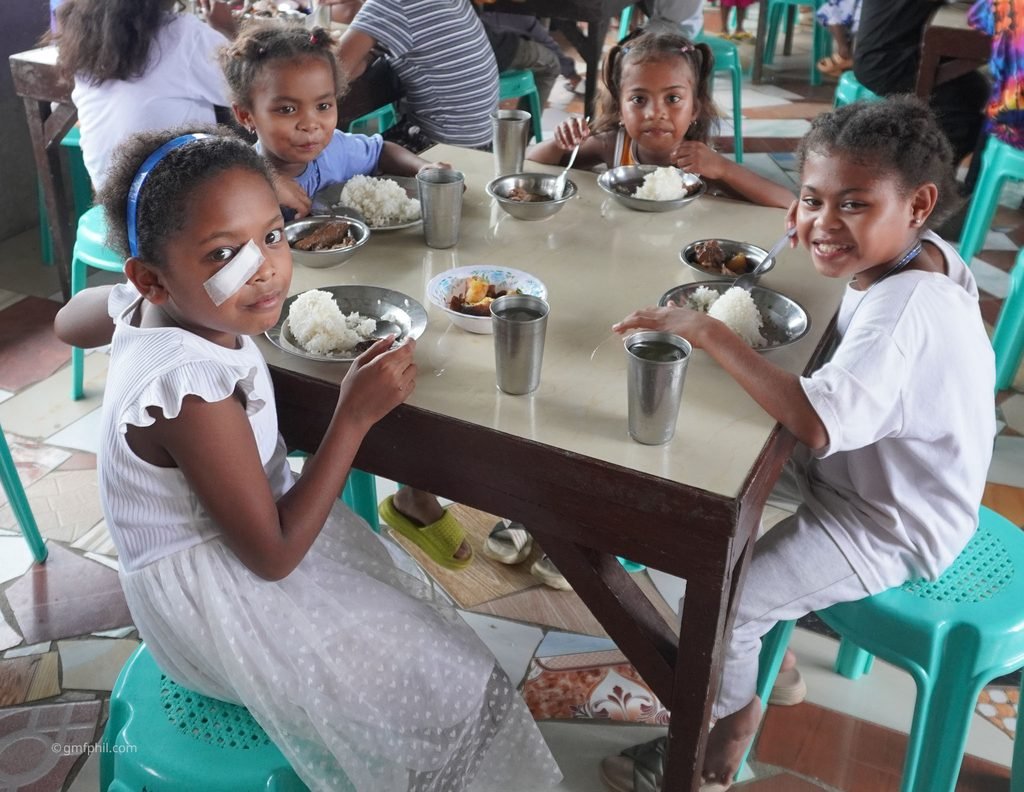
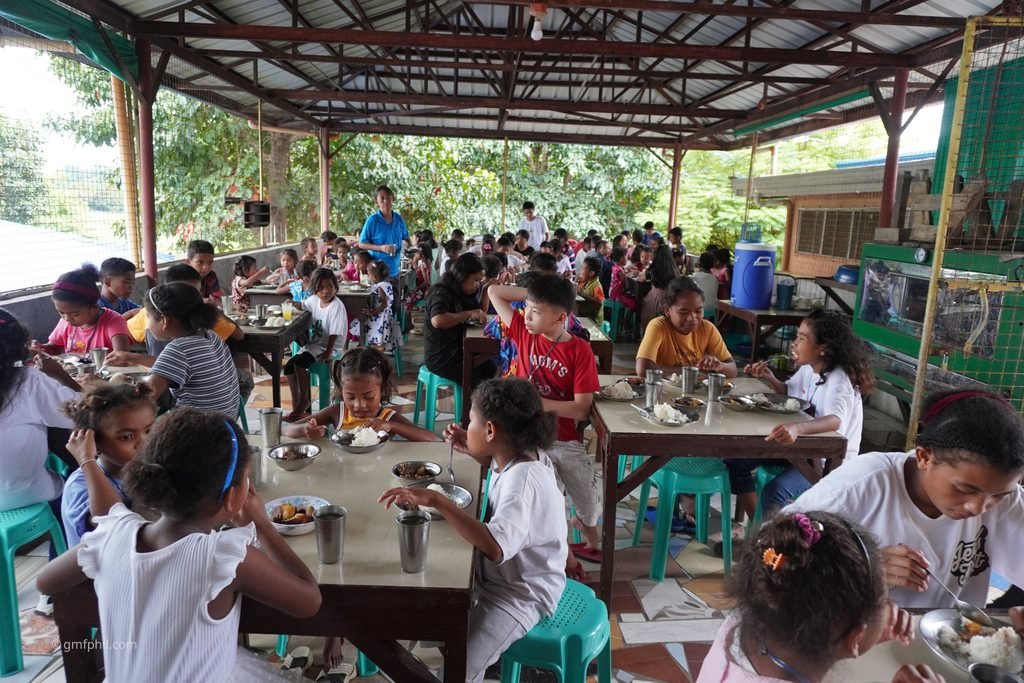
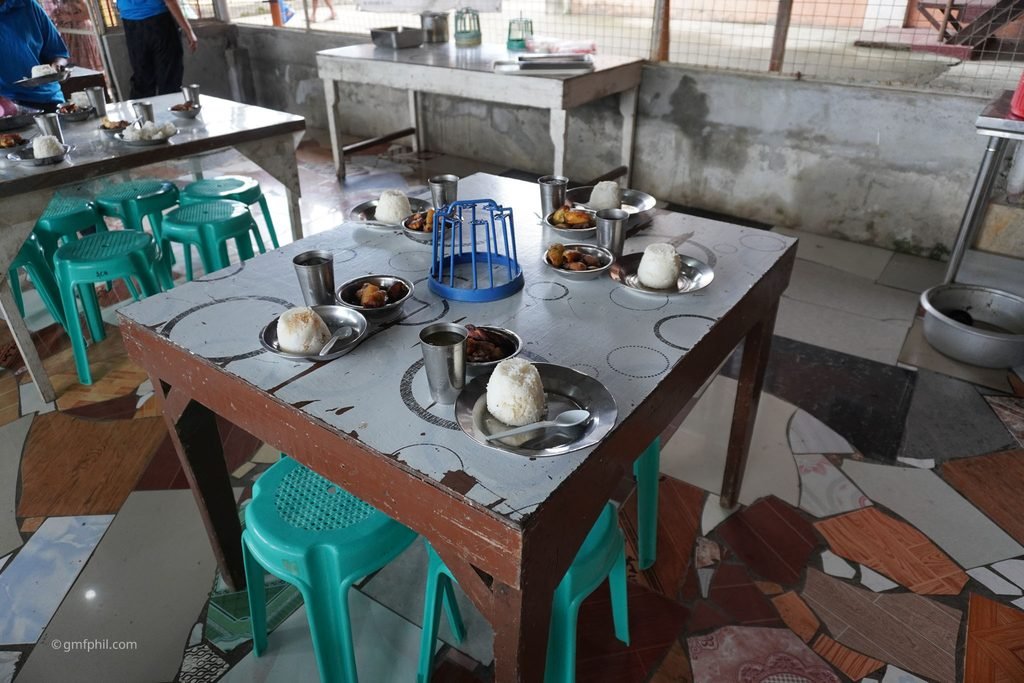
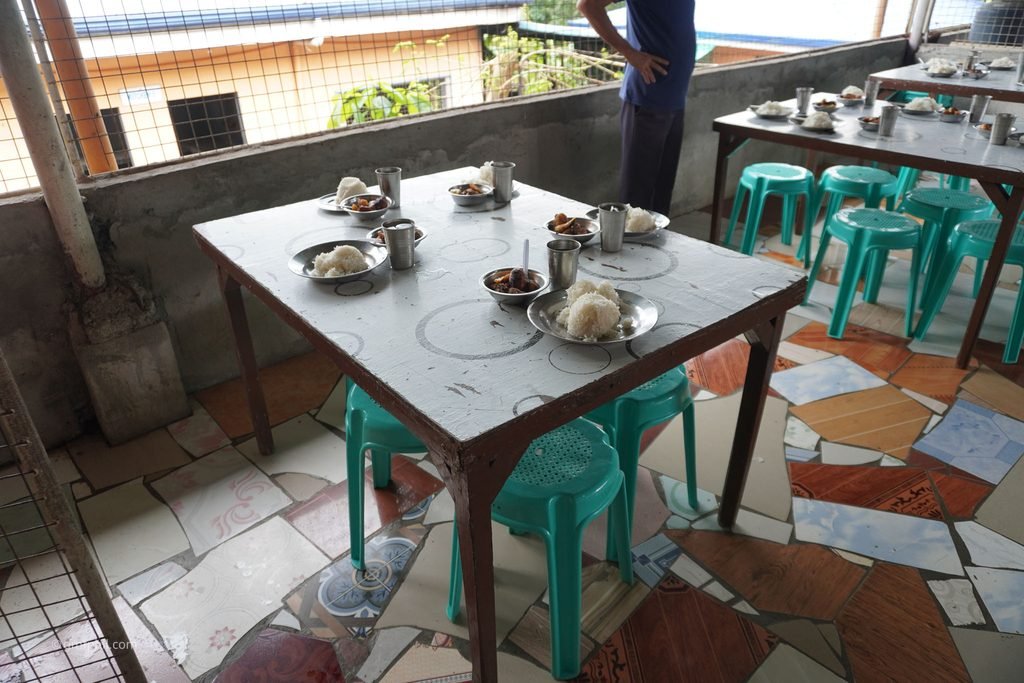
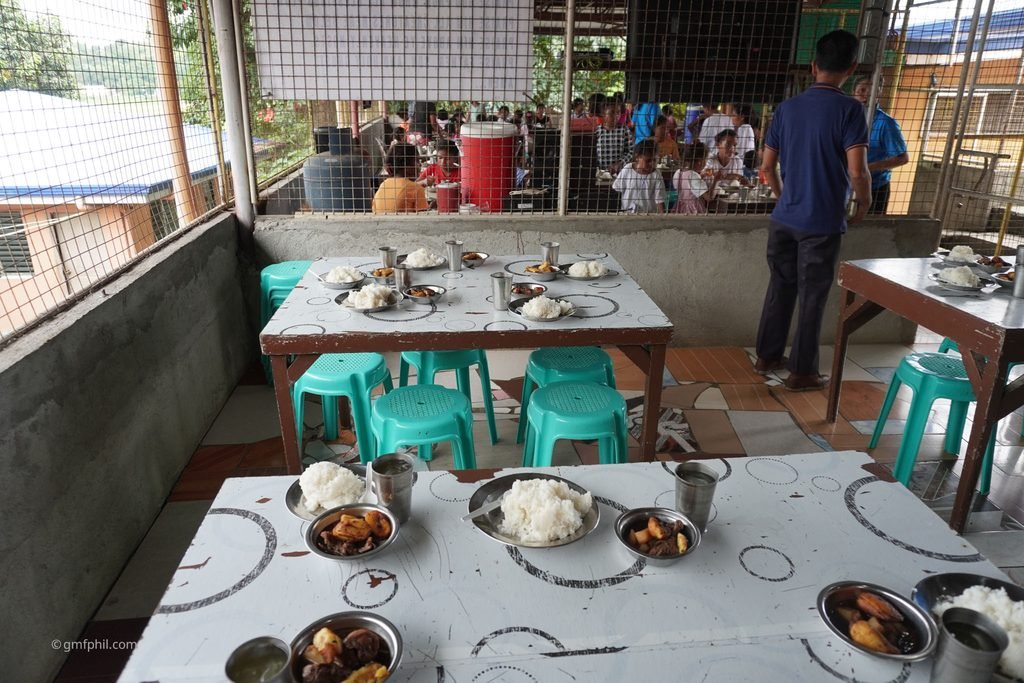
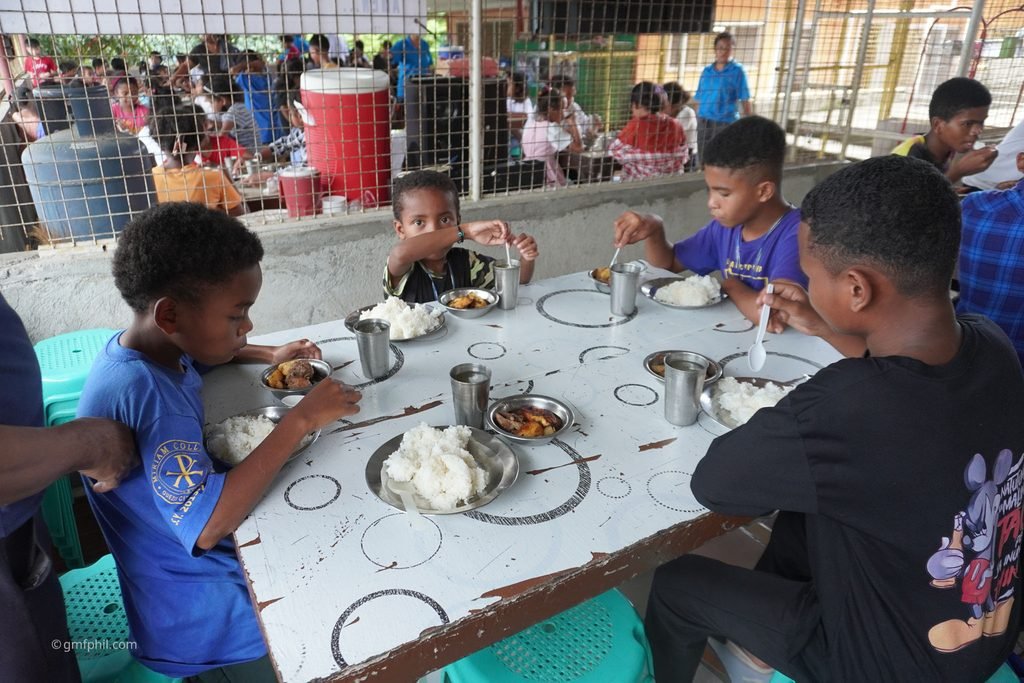
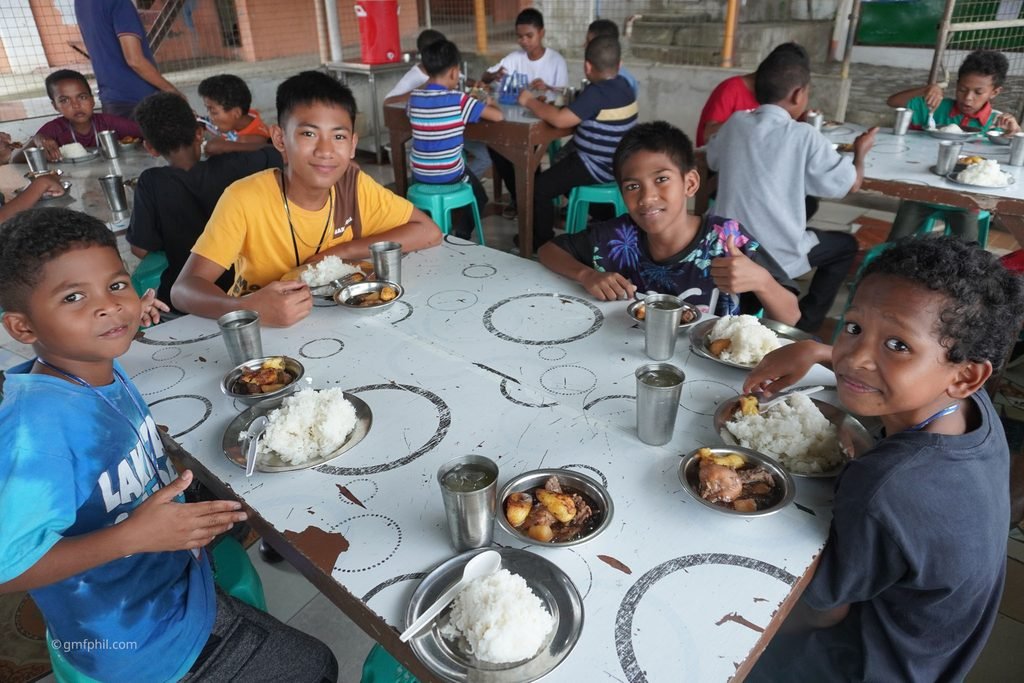
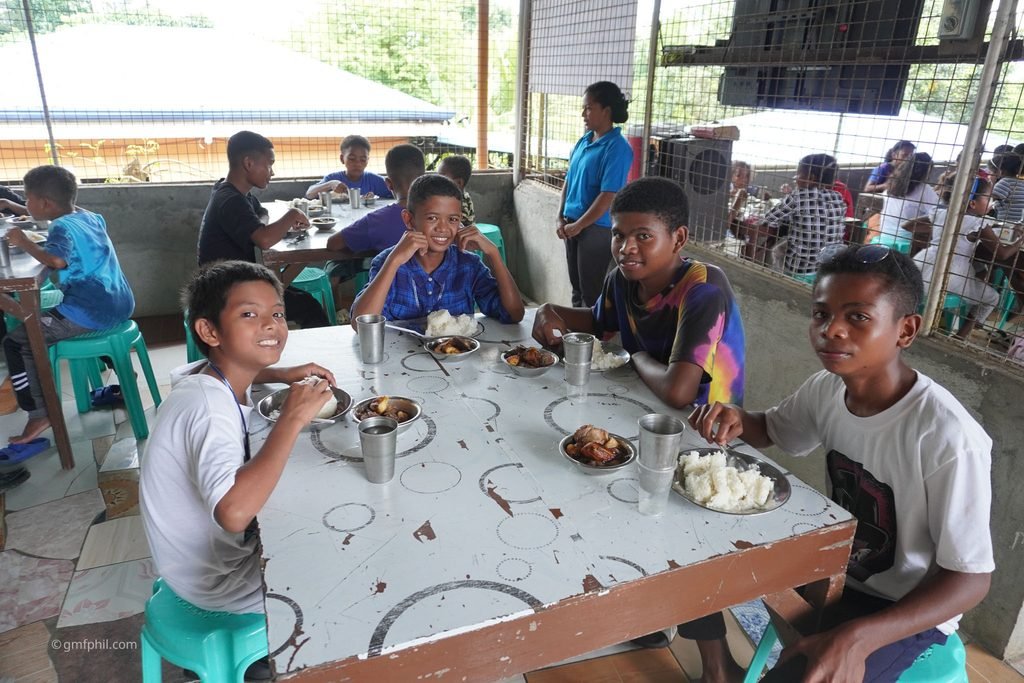
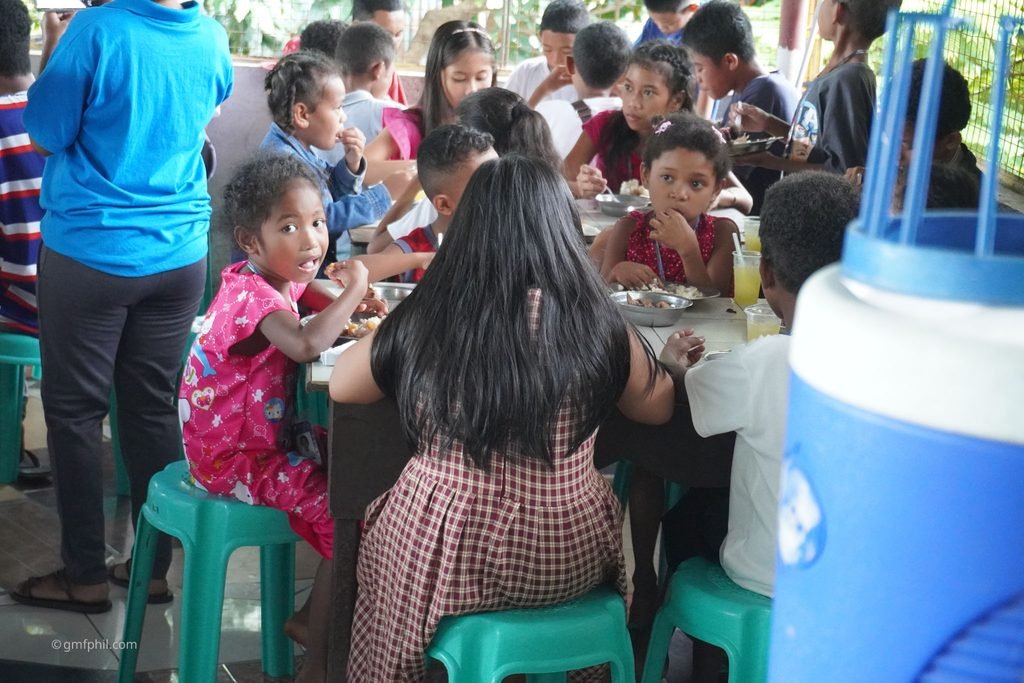
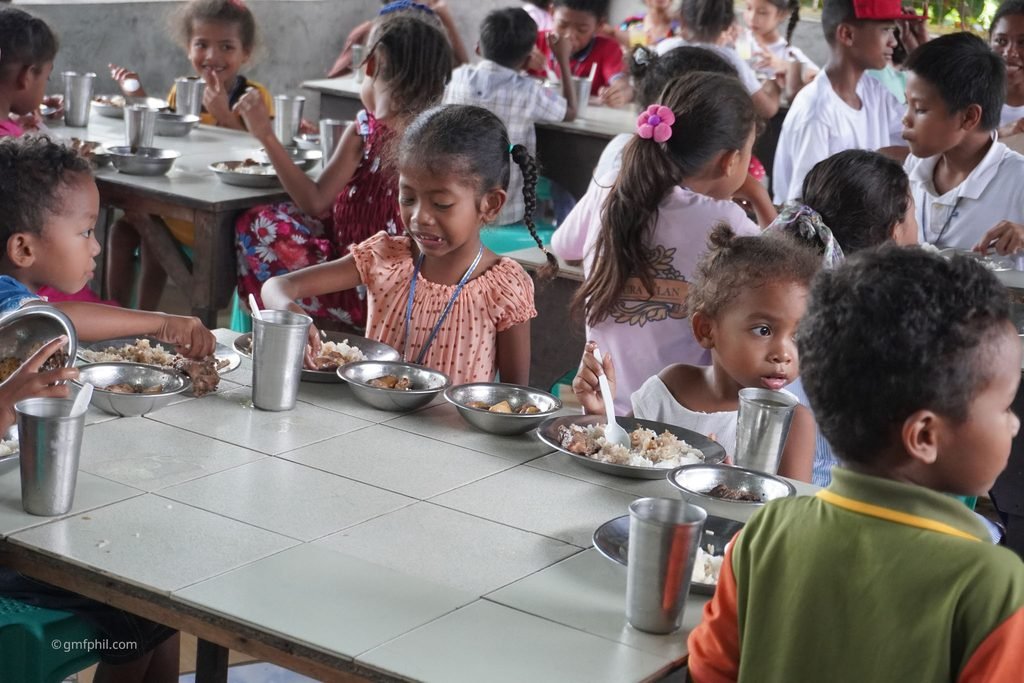
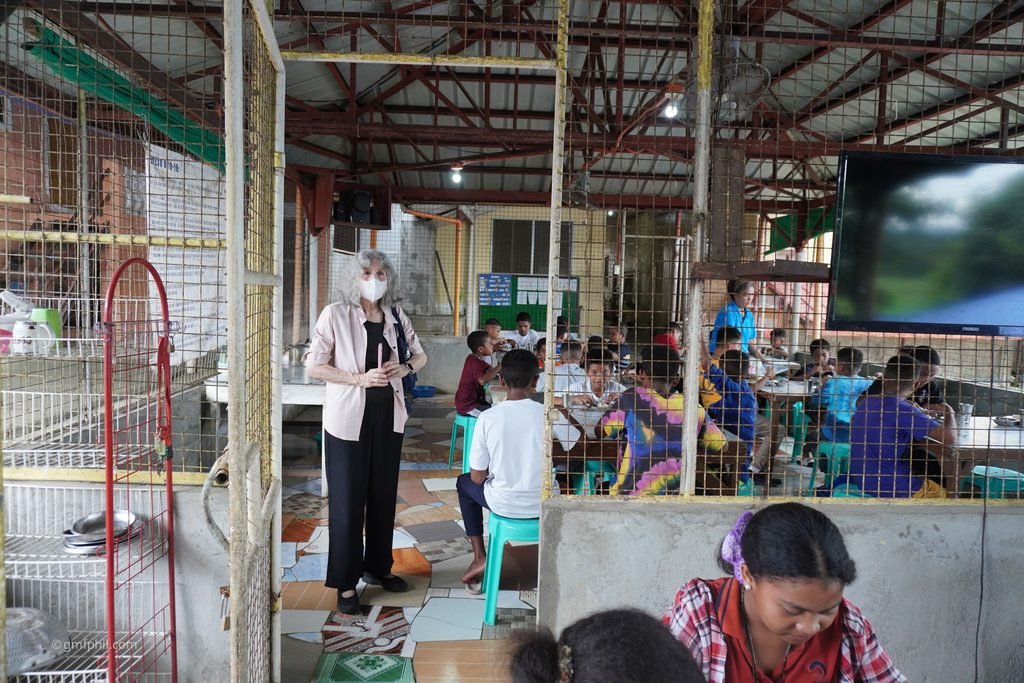
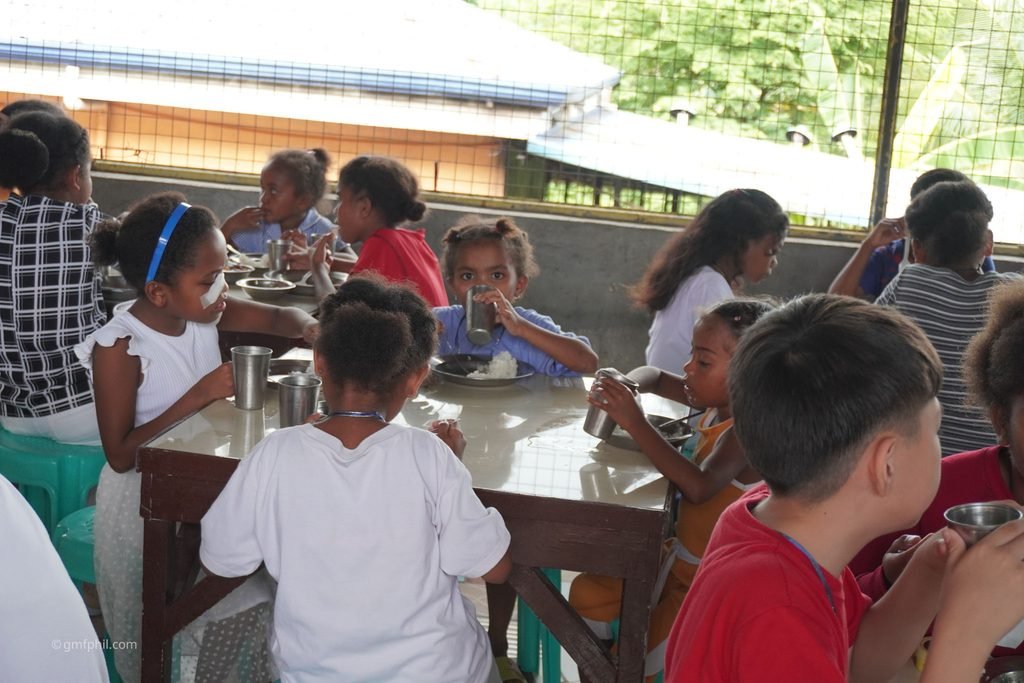
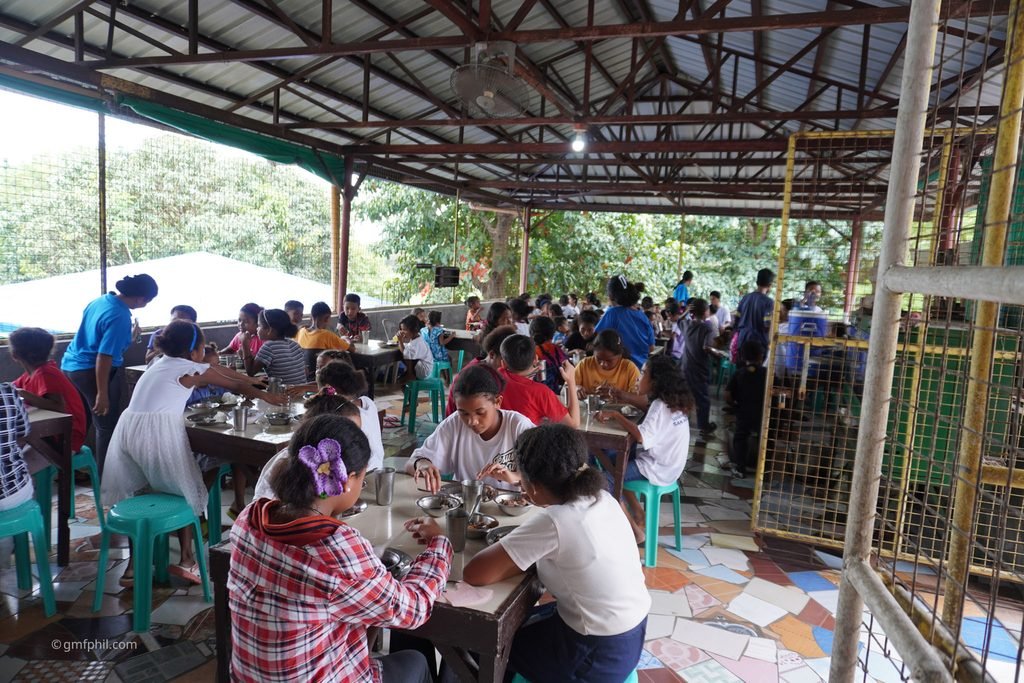
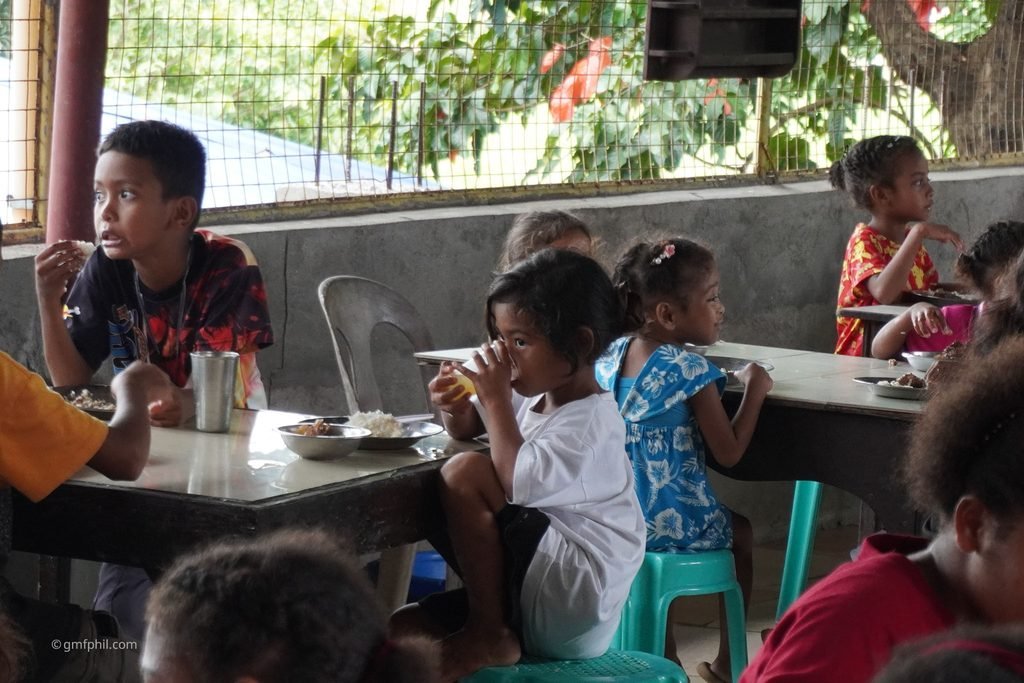
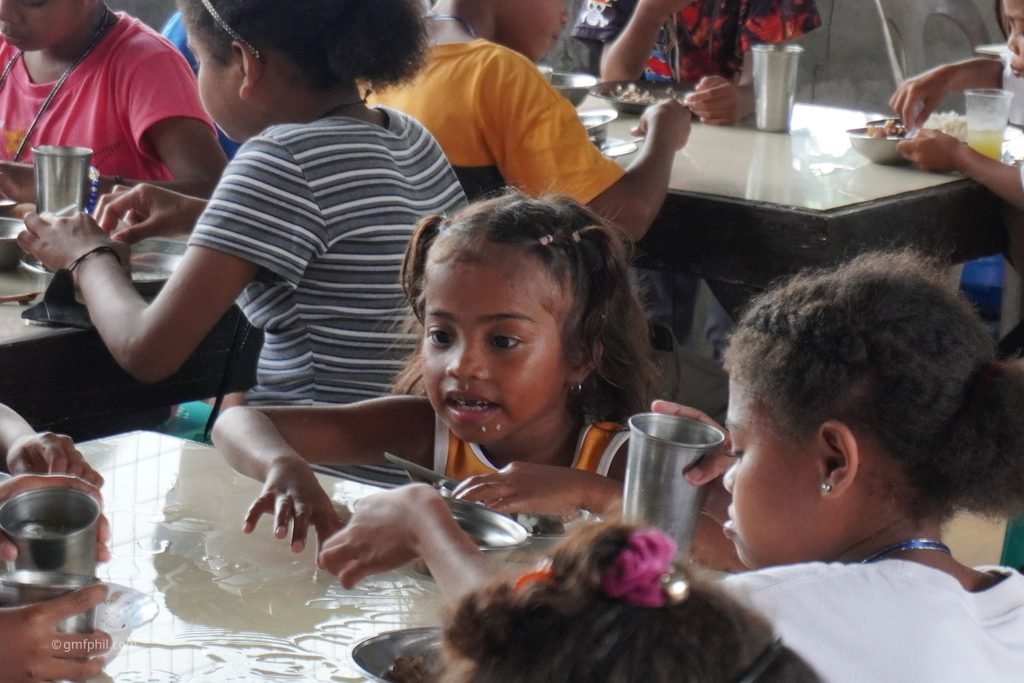
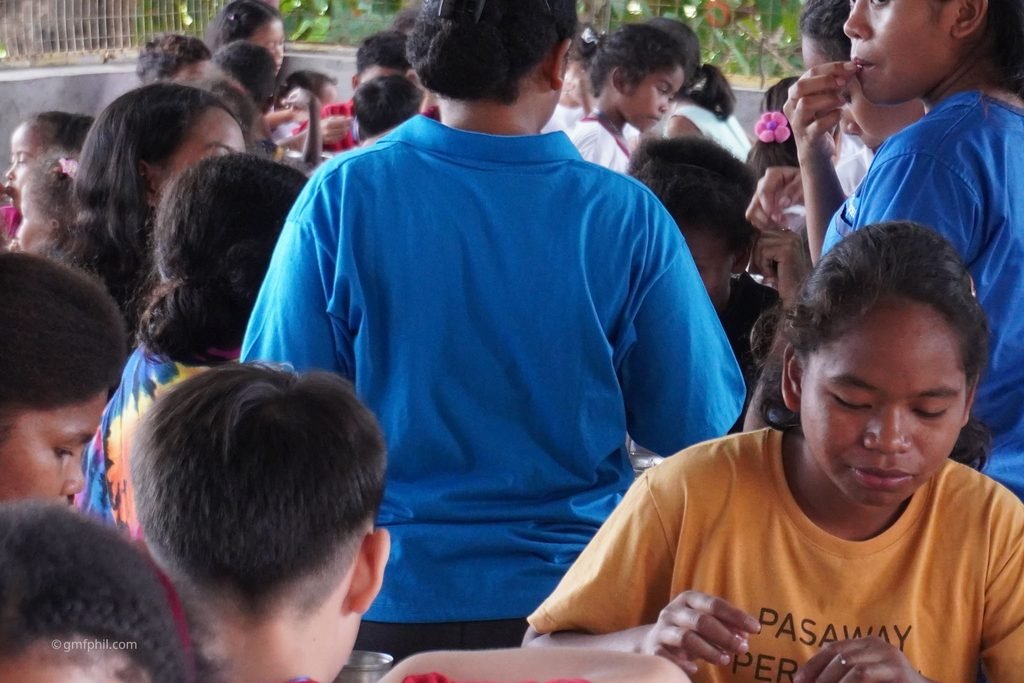
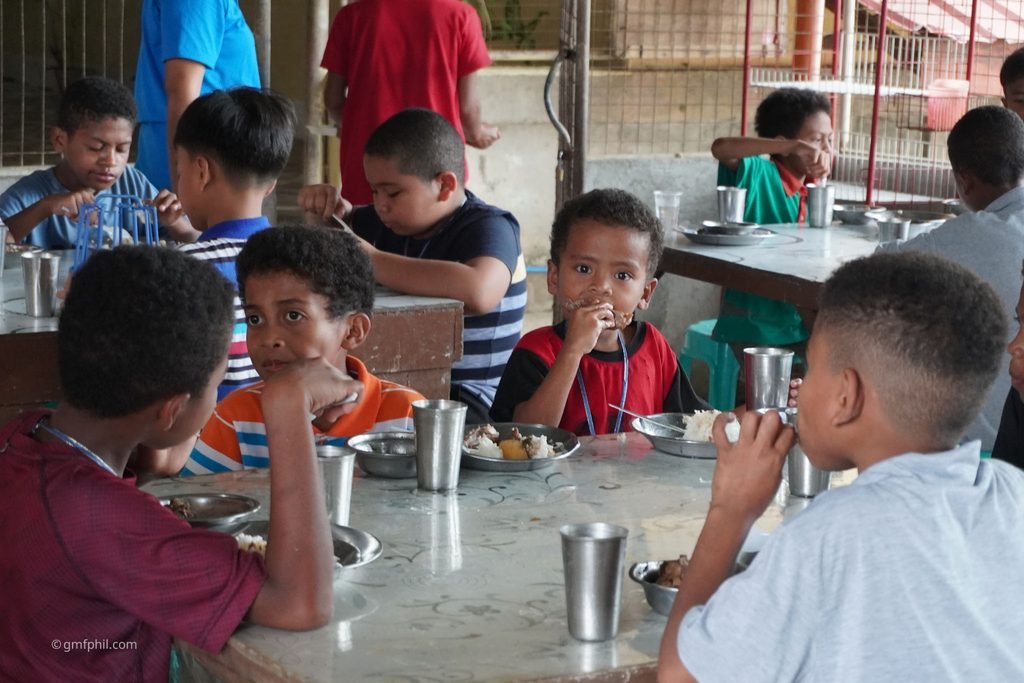
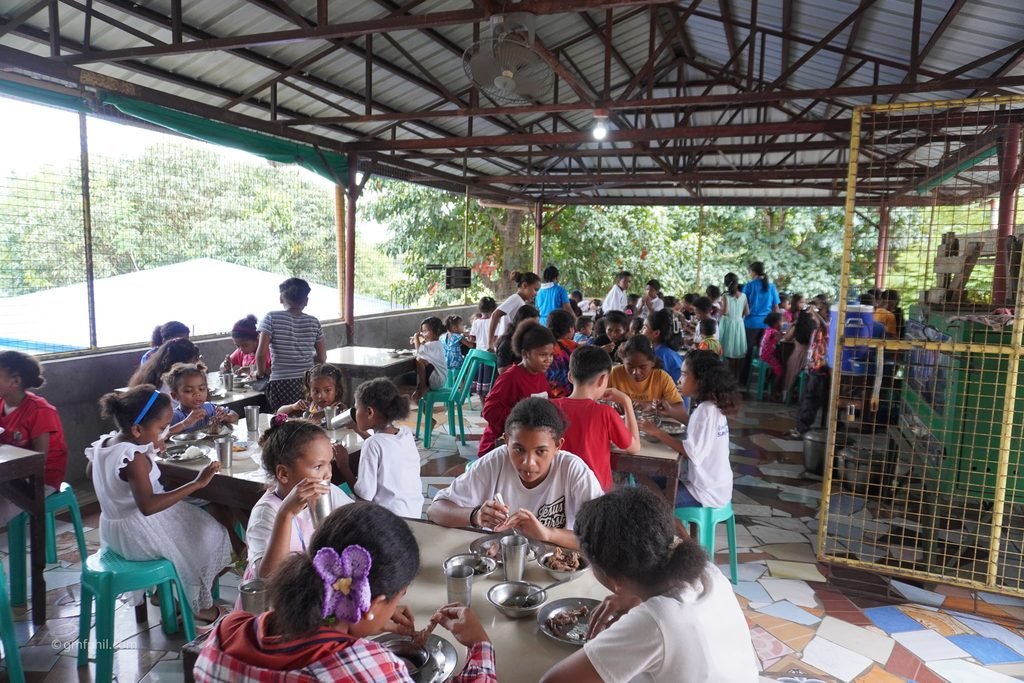
It is easy to read about displacement and land titles and forget that every number is a family. The photographs below are a small sample from one of the many Feeding Outreaches we have financed in recent years. The children are celebrating the end of a school year at Aeta Christian Elementary Boarding School in Balaybay, Castillejos, Zambales. That day, nearly 300 meals were served to the children, ministry volunteers, and the children’s families who came to pick them up and take them back to mountain villages or resettlement areas for the school break.
We share these images with gratitude to the families who welcomed us, and to Pastor Wilson and his team, who were there long before we arrived and will be there long after. If you would like to help with the Feeding Outreaches, you can give through Gateway Christian Fellowship at yourgateway.com/giving.
Until the harvest is in, Tom & Nancy