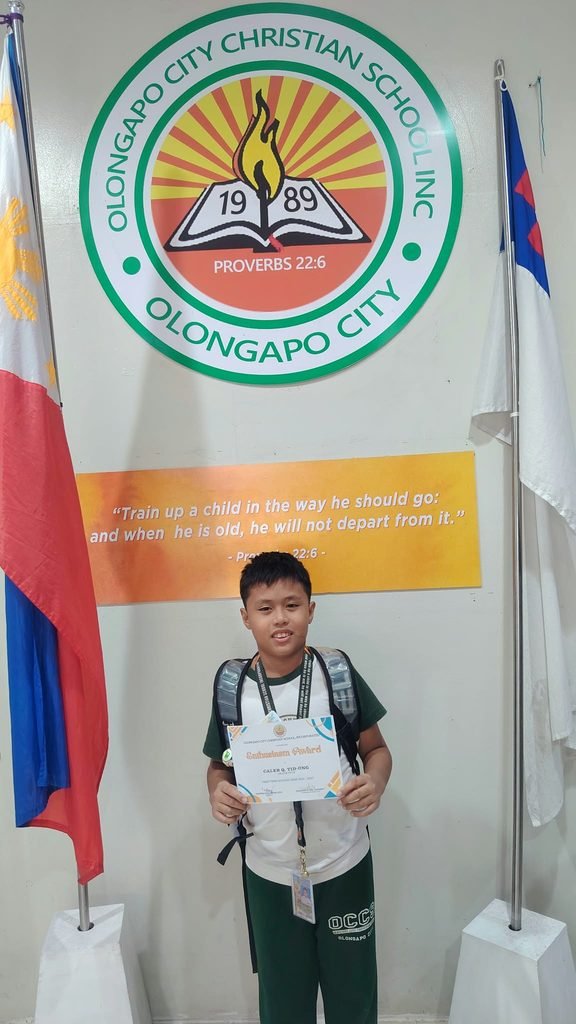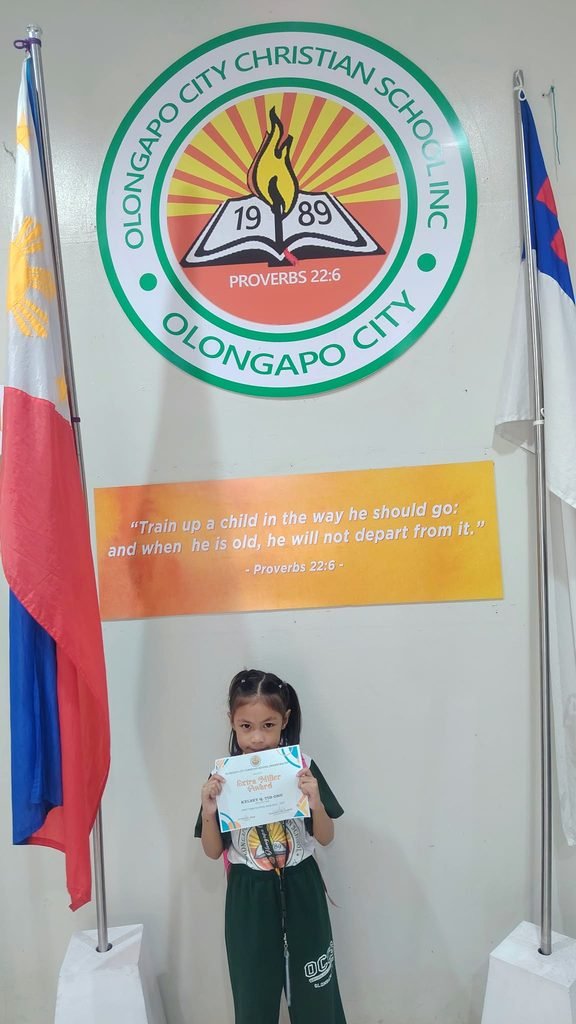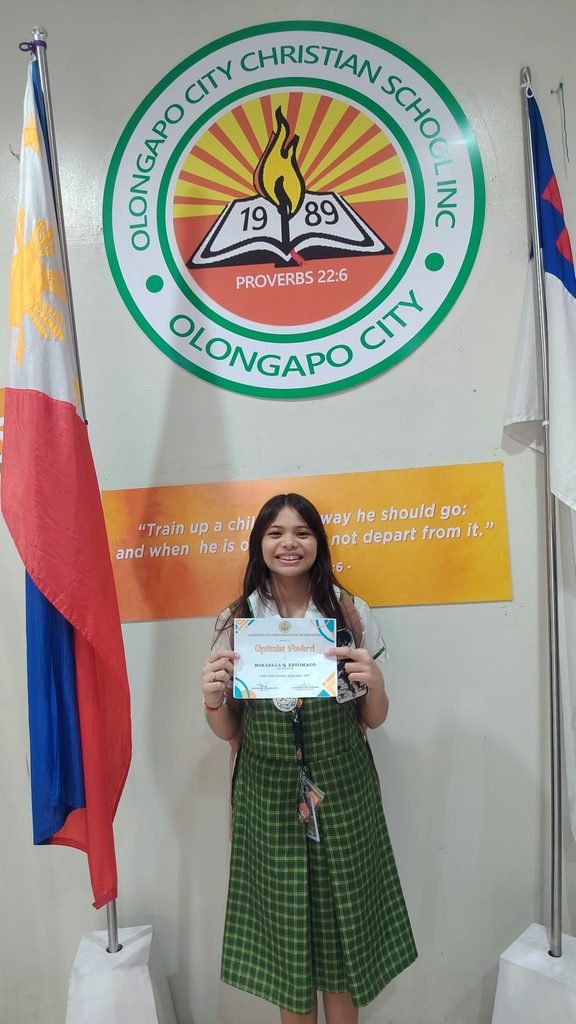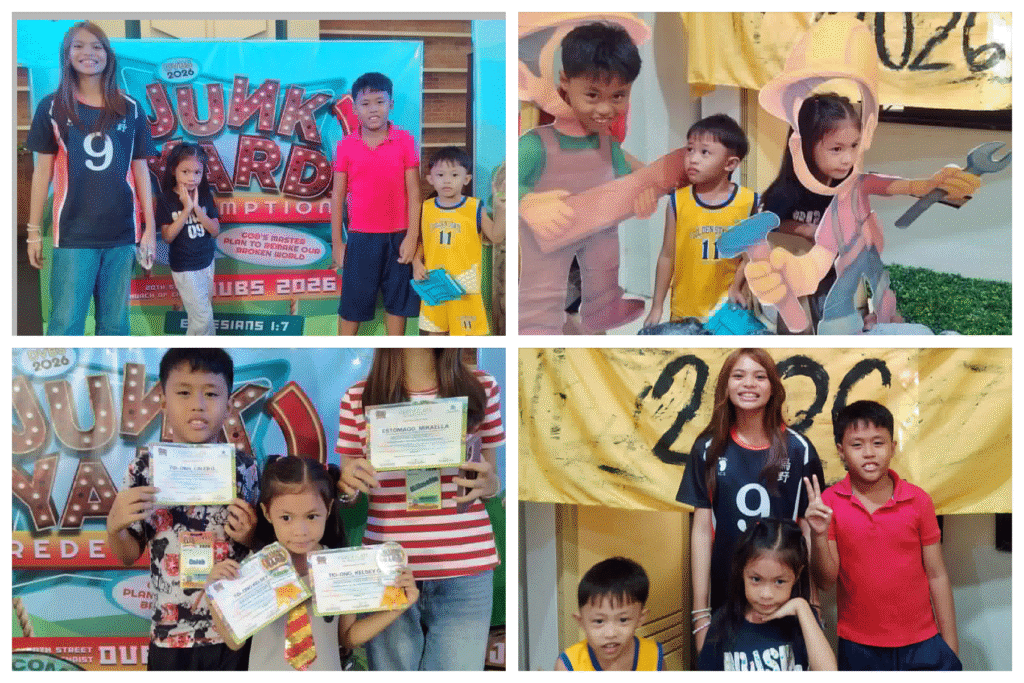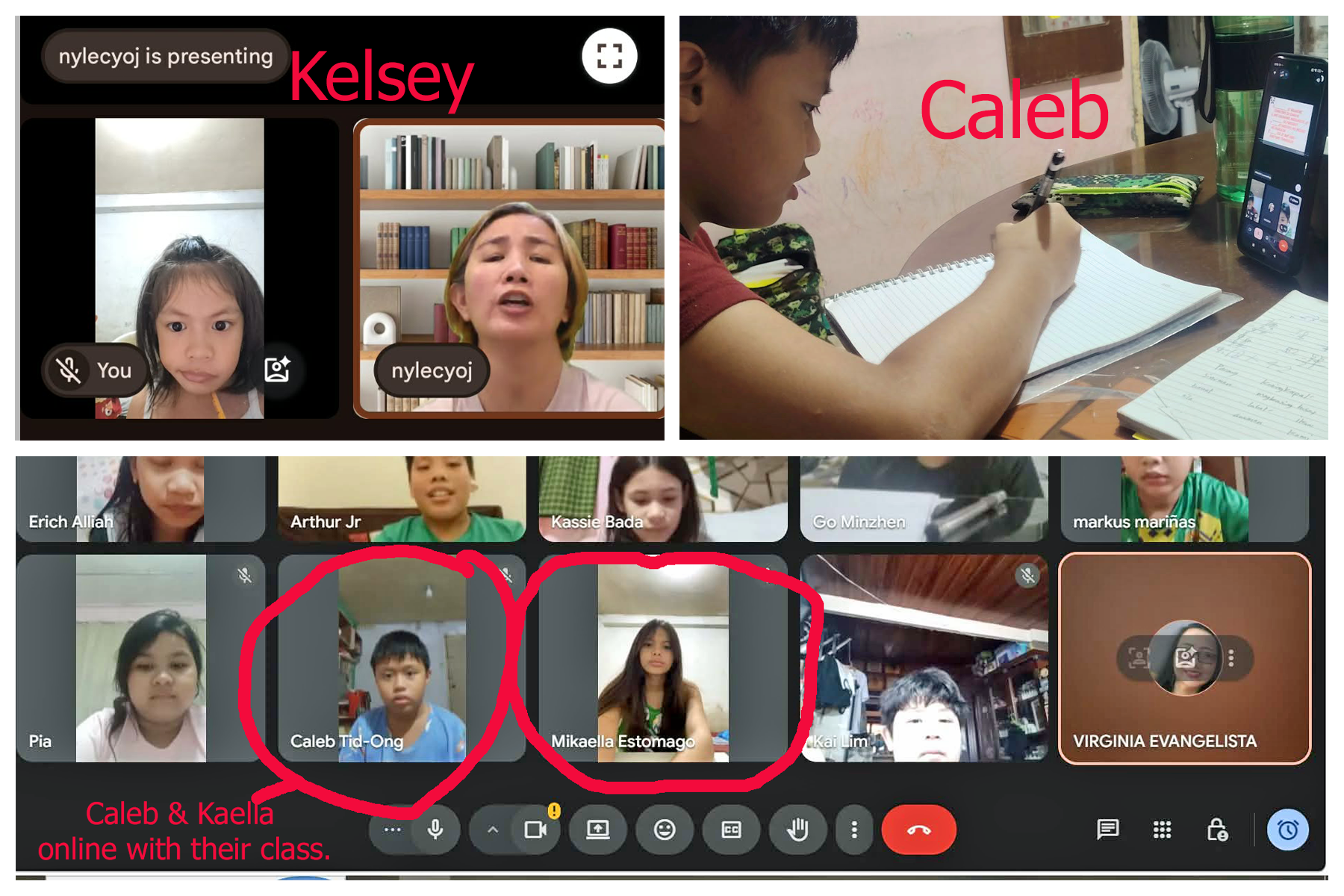
During the widespread educational shutdown caused by repeated flooding during this past monsoon season, our four scholarship students—Mikaella, Caleb, and Kelsey at Olongapo City Christian School (OCCS), and Samantha at Wesley Christian School (WCS)—kept pressing forward. Now that the rains have passed, their schools have resumed in-person classes, and the students commute back and forth each day.
Because they attend private Christian academies with established distance-learning protocols, their teachers actively supported home studies. Mikaella, Caleb, and Samantha used basic tablets we provided when the COVID-19 pandemic first disrupted education. Those tablets were their primary lifeline to schoolwork and assignments during the closures. Kelsey, our newest scholar, used her mom’s cellphone for distance learning.
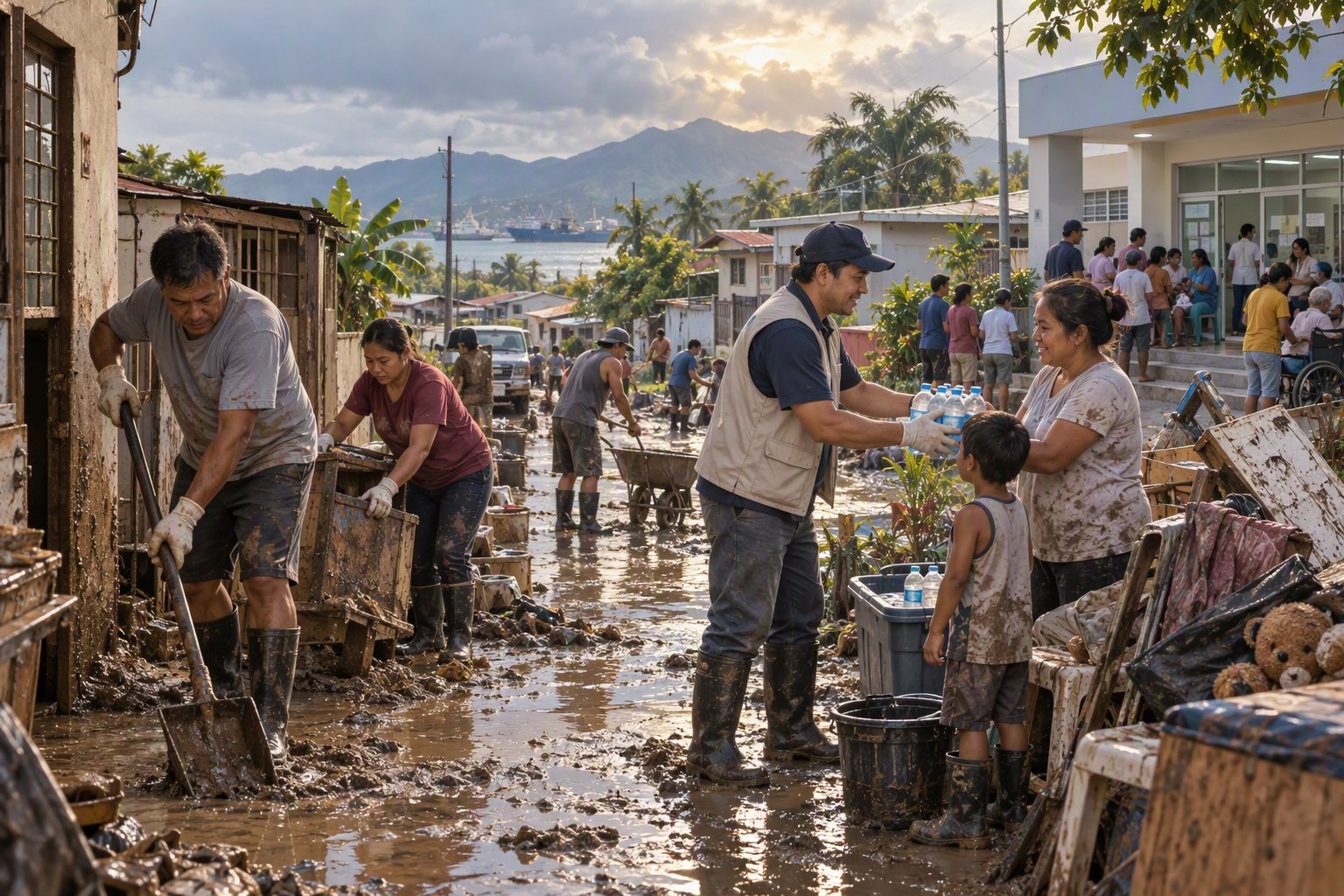
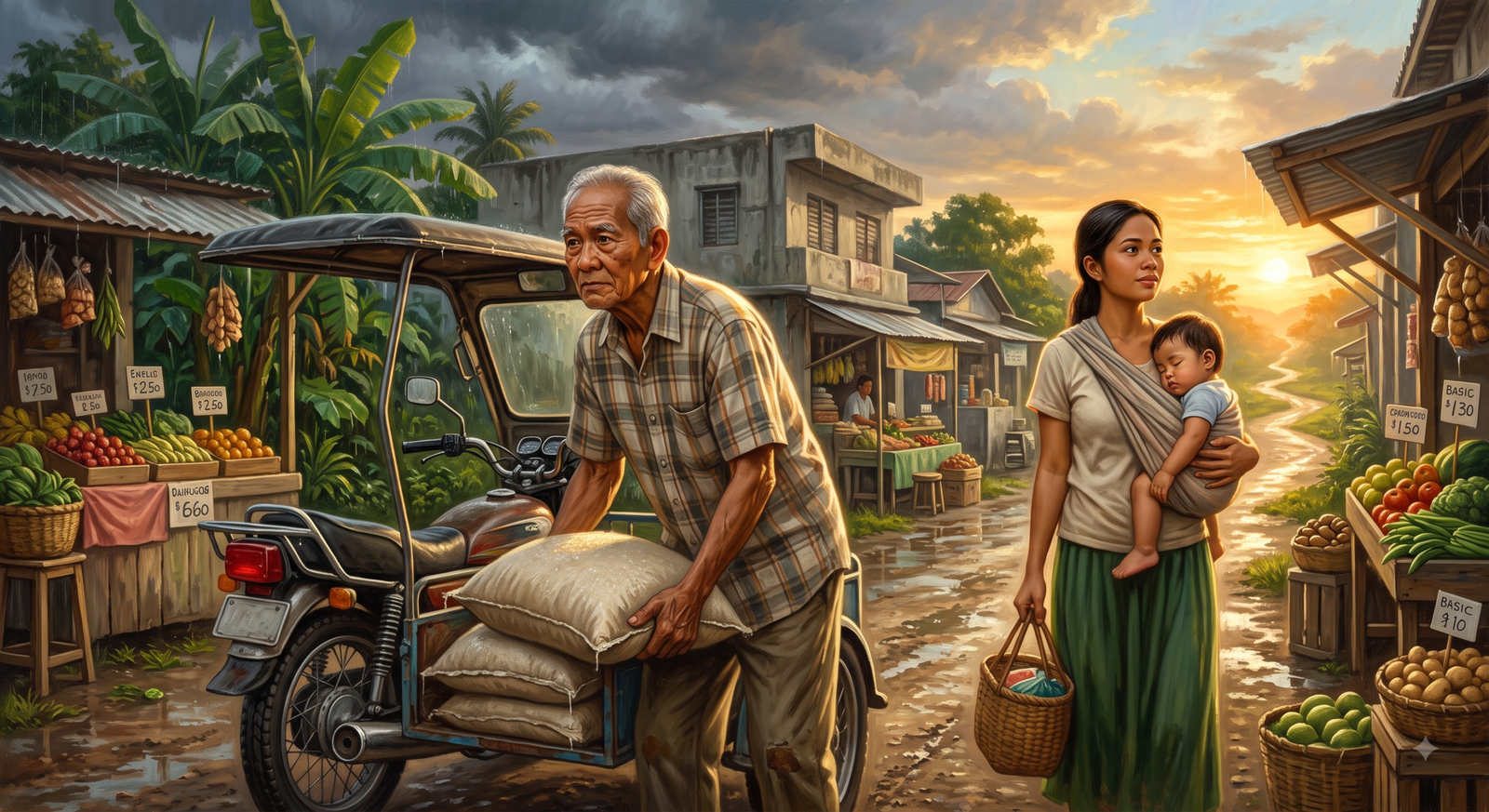
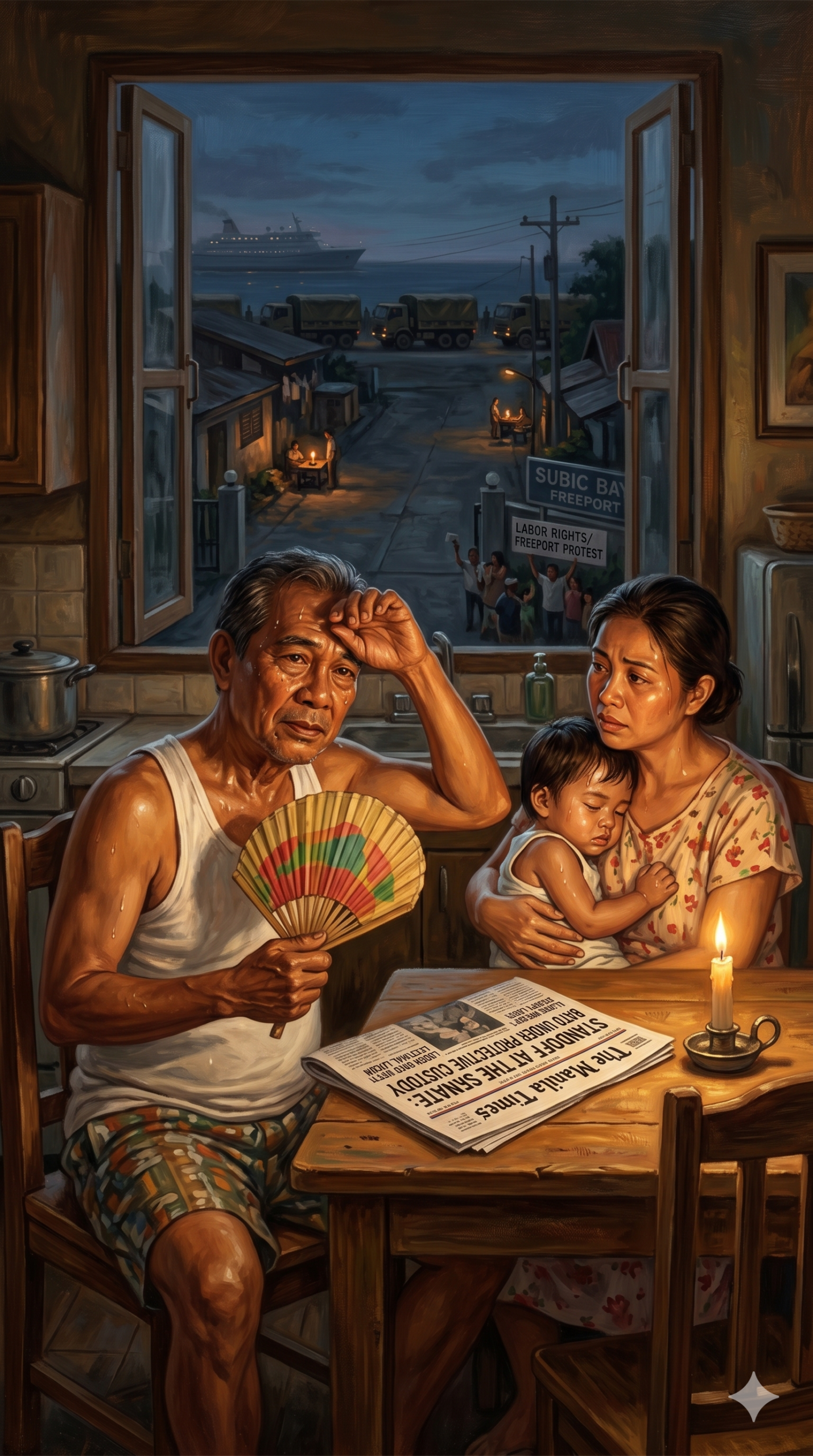
Yet education does not happen in a vacuum. Our scholars live directly inside flood-prone areas. During the prolonged monsoon, their days demanded constant vigilance—monitoring rainfall and river levels night and day—while still keeping up with their school lessons. Even so, these four students completed more schoolwork than most of their peers across the city, many of whom lack access to tablets, smartphones, or private schools. Their perseverance amid chaos is a remarkable display of character.
The end of the floods has not ended the danger. As the mud left behind has dried, it has turned to dust, triggering a citywide respiratory crisis. Every school day, our scholars travel to and from class through that polluted air.
The Partnership of Sacrifice
Providing full-tuition scholarships—which cost approximately US$700 per student for the entire school year, including required textbooks—is a vital part of our ministry outreach. But these sponsorships do not erase hardship. In many respects, committing to an academic path in an environment like this increases the load a family must carry.
It requires extraordinary sacrifices and steady, quiet commitment from parents to keep their children fed, clothed, and focused while running a household through weeks of mud and floodwater and amid deteriorating economic conditions. The students, too, had to discipline themselves to keep studying through those stressful months.
This is a three-way partnership between devoted parents, determined students, and generous donors who stand with them in prayer and provision. Thank you for partnering with these families to build a more hopeful future for these students, their households, and the Kingdom.
“So I run with purpose in every step. I am not just shadowboxing.” (1 Corinthians 9:26, NLT)