“God sets the lonely in families…” — Psalm 68:6 (NIV)
For nearly twenty years, we have regularly visited The King’s FilAm Children’s Home. We have shared in quiet heartbreaks, prayed with and counseled devoted caregivers, and watched children grow up within its walls. Yet in all that time, we have rarely seen a child joyfully reunited with her family.
That changed this past April.
To understand why this moment is both special and rare, you have to understand the quiet, unglamorous reality of the home itself. The King’s FilAm Children’s Home began decades ago, during the peak of the U.S. Naval presence at Subic Bay, when an American female naval officer joined hands with local Filipino women to care for abandoned Amerasian children left behind in the community. Decades later, the military base is gone, and those early generations have grown up and integrated into society. Today, the home’s mission has evolved to provide sanctuary for “children in crisis” placed there by the Department of Social Welfare and Development (DSWD).
These children arrive carrying burdens no child should bear. Some are removed from severe domestic violence or sexual trauma at the hands of family members or neighbors. Others come because a single parent, living in a fragile shack, simply cannot leave a young child unattended and unprotected while trying to earn enough daily wages to buy food.
In theory, the DSWD addresses each family’s crisis and works toward reunification. In practice, children often remain in limbo. A struggling parent may initially attend scheduled visits, but as weeks become months, visits fade, circumstances intervene, or families move away. The children are effectively abandoned but not legally declared so, making them ineligible for adoption locally or internationally. Adoption also becomes less likely as they grow older. They remain at the home until they may leave at sixteen and must leave at eighteen, often entering a predatory world without a family to protect them.
This is why true Christian service in this type of critical care and intervention is not glamorous; it does not produce tidy success stories for a promotional brochure, and it offers few easy victories. The caregivers at the home do all the “stoop-work”; we simply show up to love and remind these children that God sees and values them.
Then came Joy-Joy.
Joy-Joy, a bright little girl of about five years old, had been living at the home. Through months of patient casework, real change, and sustained effort, the impossible barrier gave way. Joy-Joy was officially cleared to go home.
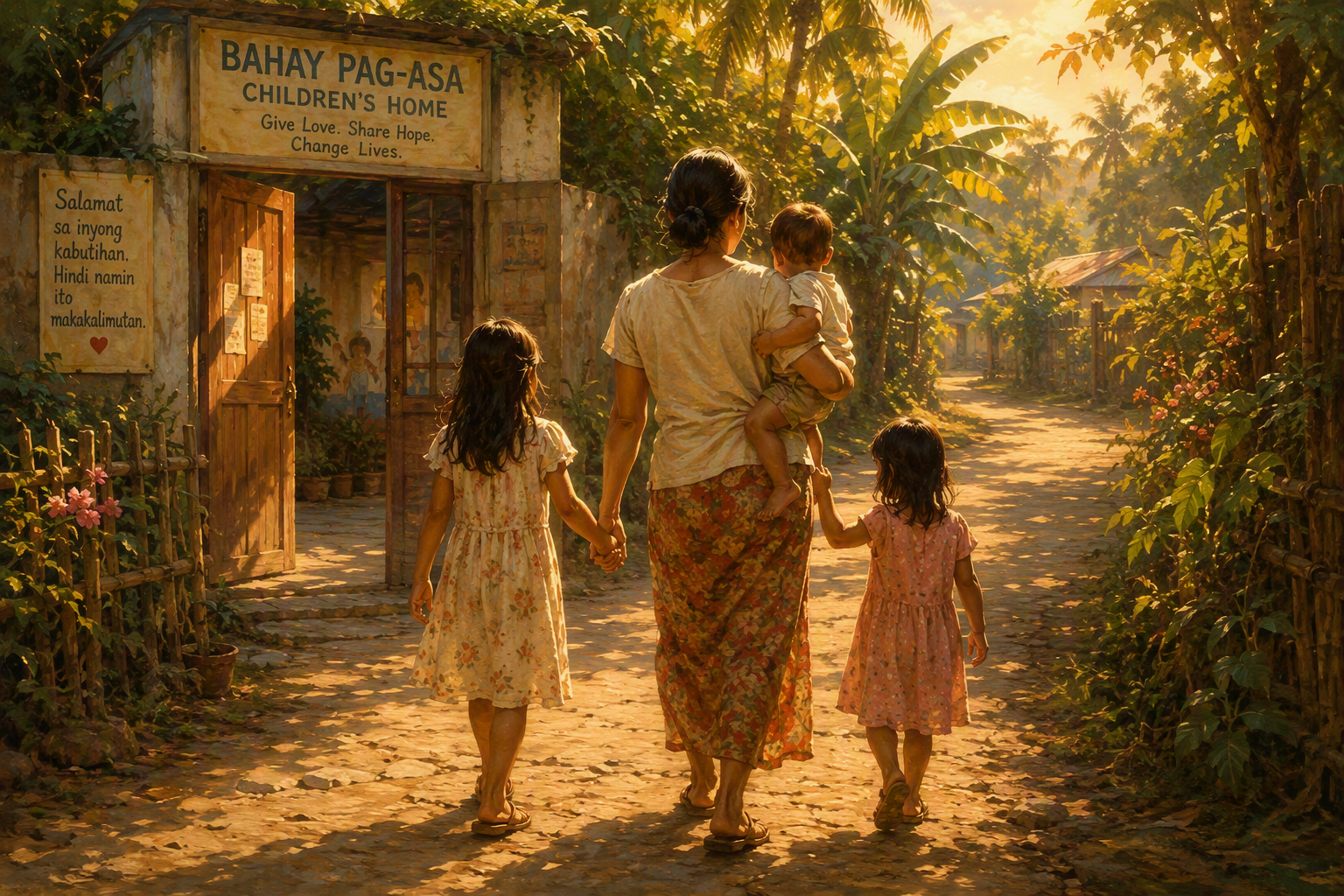
We had the happy privilege of being present as she was reunited with her mother, her seven-year-old sister, and her baby brother. Standing together in that humble room, Nancy and I were invited to pray over each family —a blessing they welcomed with open, grateful hearts.
In ministry, it is easy to become conditioned to the weight of persistent hardship, especially during seasons when storms, illness, and economic distress press in on every side. But the Gospel reminds us that the Kingdom of God often moves in quiet, unexpected breakthroughs. A true “happy ending” in this work is extraordinarily rare, and when God grants one, it is worth pausing everything to rejoice.
Joy-Joy is home. Please join us in lifting up this family in prayer—that God would protect their home, provide for their daily bread, and allow the love and peace of Christ to anchor their lives as they begin this new chapter together.
Leave a Reply